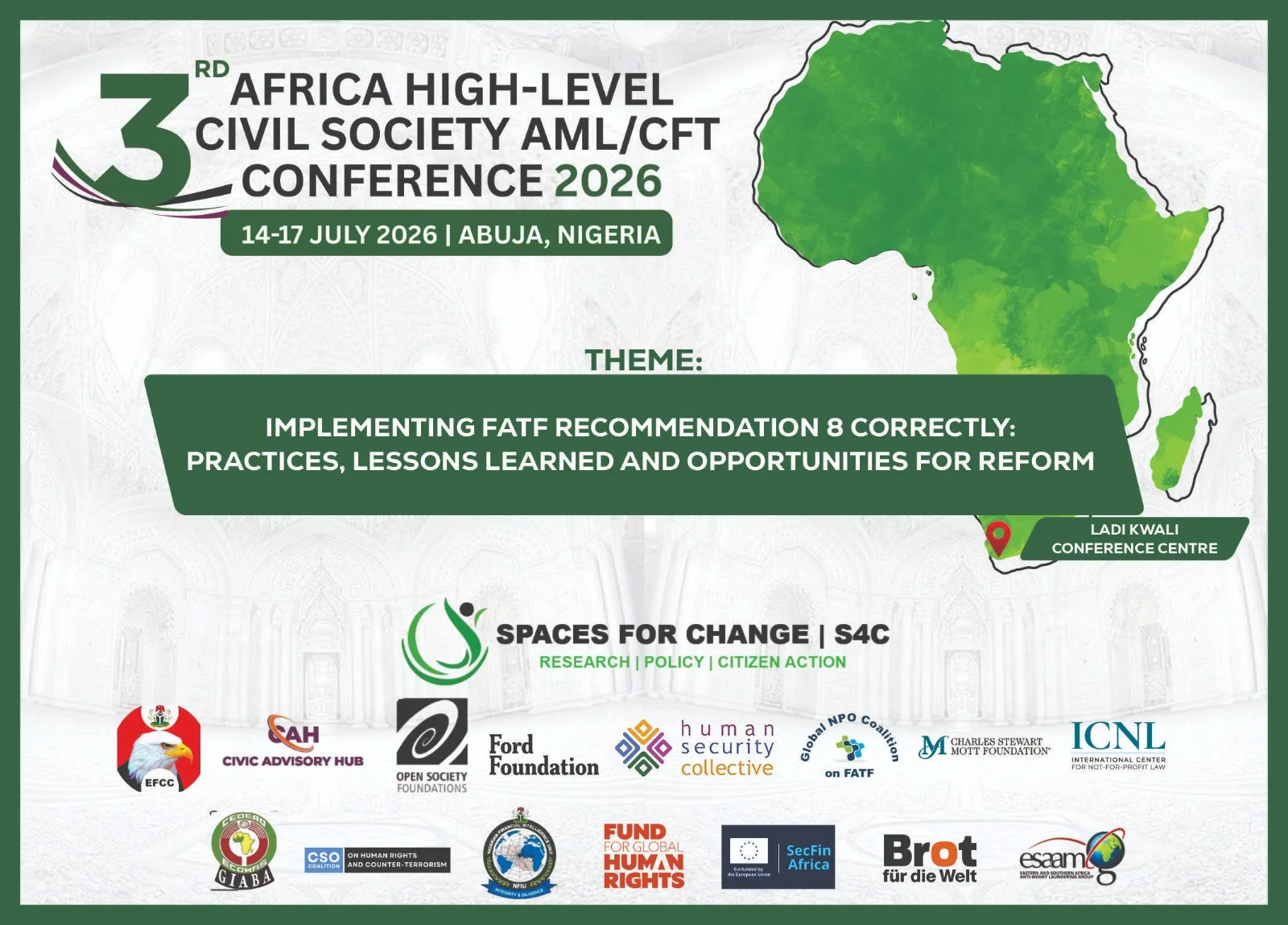
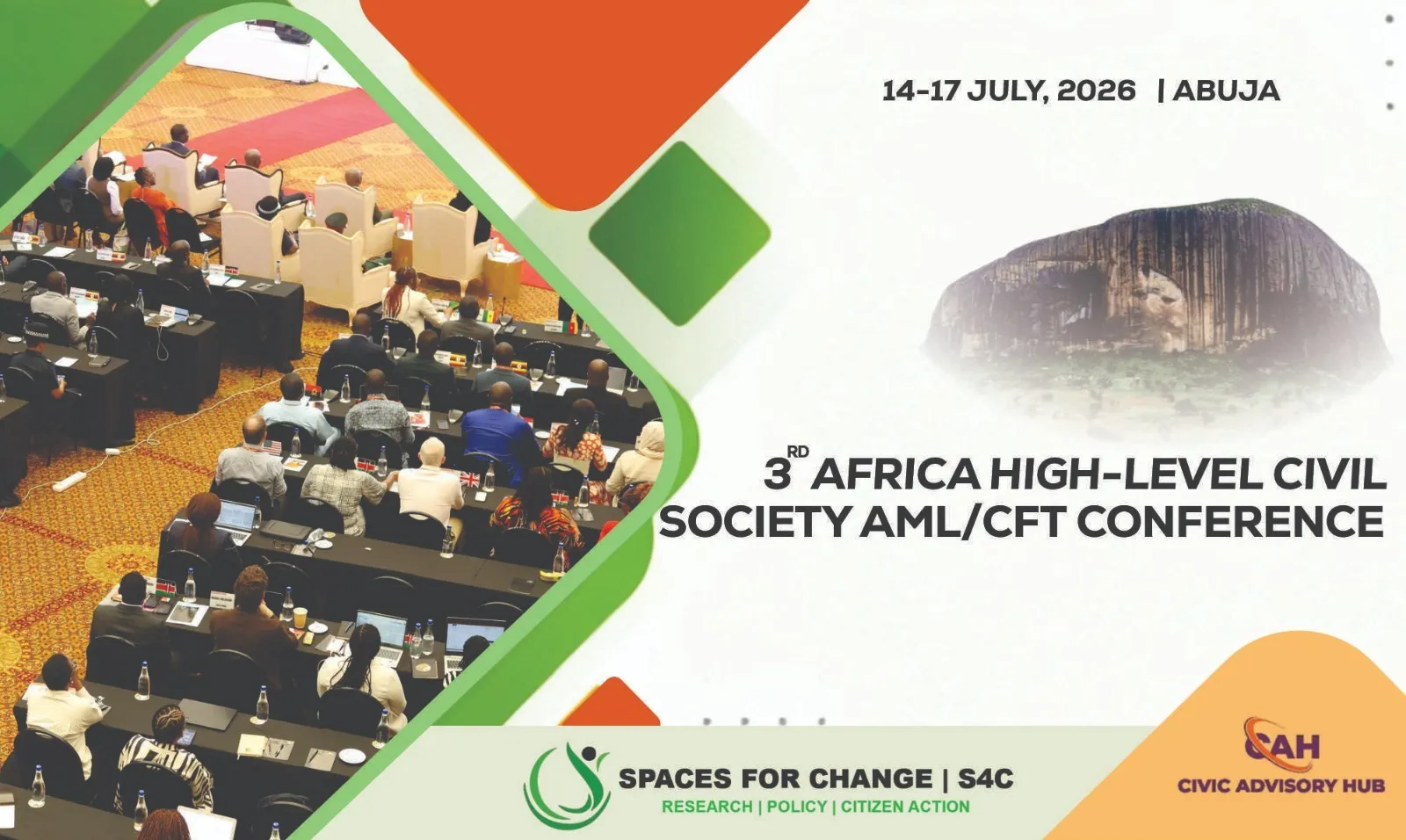



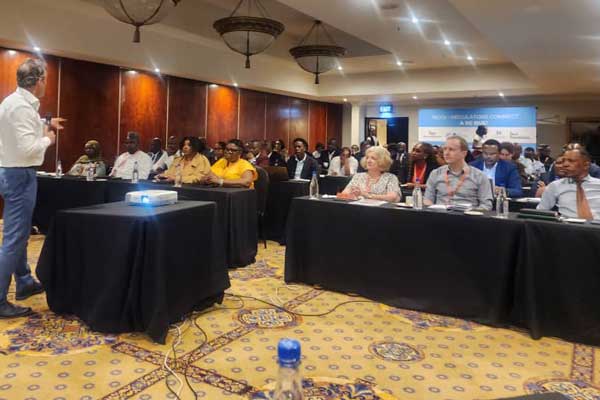

This session will unpack the meaning and core content of FATF Recommendation 8, highlighting how the implementation of this recommendation affects organizations and entities reliant on donations and foreign funding for development, humanitarian aid, and social initiatives.
It will explore the evolution of the FATF recommendation 8, its (mis)application, intended and unintended consequences, compliance burdens, including overregulation, while highlighting the progress that has been made in some jurisdictions to balance legitimate charitable work with proportionate security policy measures.
Course content
- Evolution of Recommendation 8
- Typologies of TF abuse in the NPO sector
- NPO oversight models
- Conducting NPO TF risk assessments
- Self-regulation, governance and transparency tools
- NPO-Regulator engagement models and mechanisms
REGISTER NOW

This session aims to increase understanding of the way banks and other financial institutions (BOFIs) implement AML/CFT measures, especially FATF Recommendation 8, highlighting the impacts on non-profit organizations. It focuses on building the capacity of BOFIs to transit from the rules-based to the risk-based approach in line with the revised FATF Recommendation 8.
Course content
- Impact of de-risking on humanitarian aid and humanitarian exemptions
- Risk-based customer due diligence
- FATF’s guidance on financial inclusion
- Why the risk-based approach matters
- Recognizing NPO self-regulation and governance structures.
- Multistakeholder dialogues
REGISTER NOW
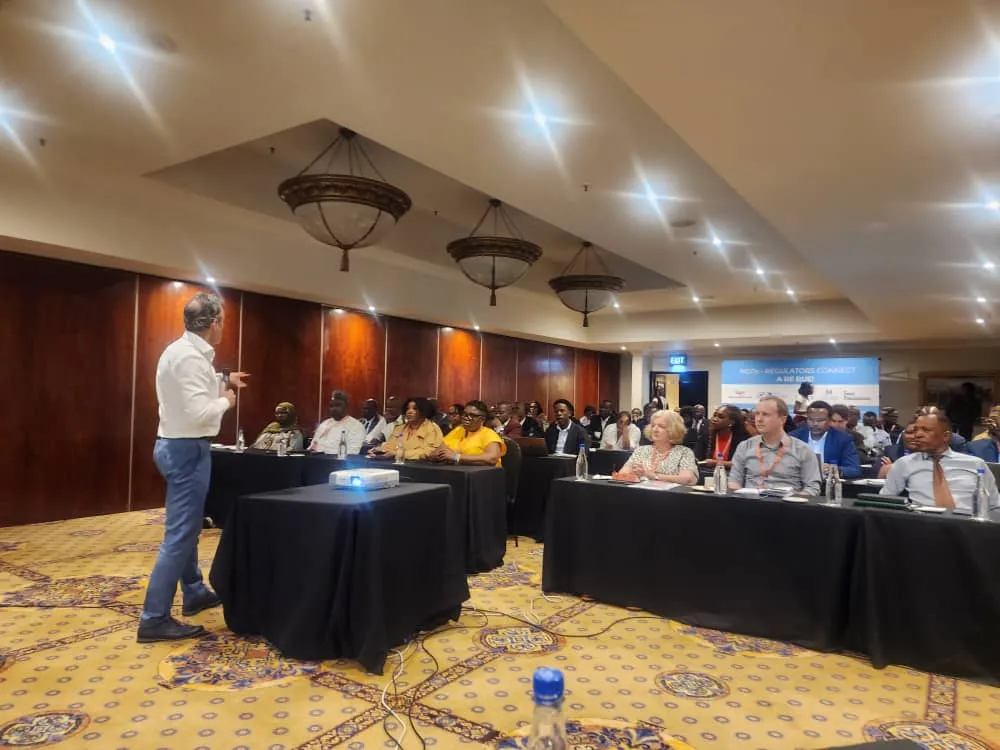
This session addresses the critical role of NPO regulators and financial intelligence units in ensuring the adoption and enforcement of risk-based policies and approaches for monitoring and regulating the NPO sector. Beyond fostering compliance and accountability, it will clarify steps R8-compliant countries have taken to provide an enabling environment for NPOs, translating to improved development outcomes and the effective delivery of humanitarian assistance to hard-to-reach localities. It will equip participants with the knowledge and skills to apply risk-based, proportionate, and context-sensitive sectoral regulation in line with international standards and best practices.
Course content
- Risk-based monitoring approaches for different contexts
- Designing proportionate monitoring frameworks and tiered oversight models
- How to conduct participatory national risk assessments for the NPO sector
- Over-regulation: shrinking civic space and humanitarian disruption
- Building trust and dialogue with NPOs
- Balancing AML/CFT obligations with humanitarian imperatives
REGISTER NOW

This session will build the capacity of AML/CFT stakeholders in understanding what assessors look out for when determining whether a country is compliant or not with FATF Recommendation 8. Clarifying GIABA’s unique role as intermediaries between FATF global standards and national implementation, the session walks participants through strategies for preparing adequately for mutual evaluations, follow-up procedures and the ICRG process. Participants will learn how to prepare for FATF/ GIABA assessments while protecting the civic space.
Course content
- Mandate and responsibilities of FATF-Style Regional Bodies (FSRBs)
- Mutual evaluations and follow-up procedures
- Assessing technical compliance vs. effectiveness
- Spotlighting and repairing national deficiencies in FATF Recommendation 8
- Proportionality: Balancing national security with civic space protection
- Avoiding over-regulation