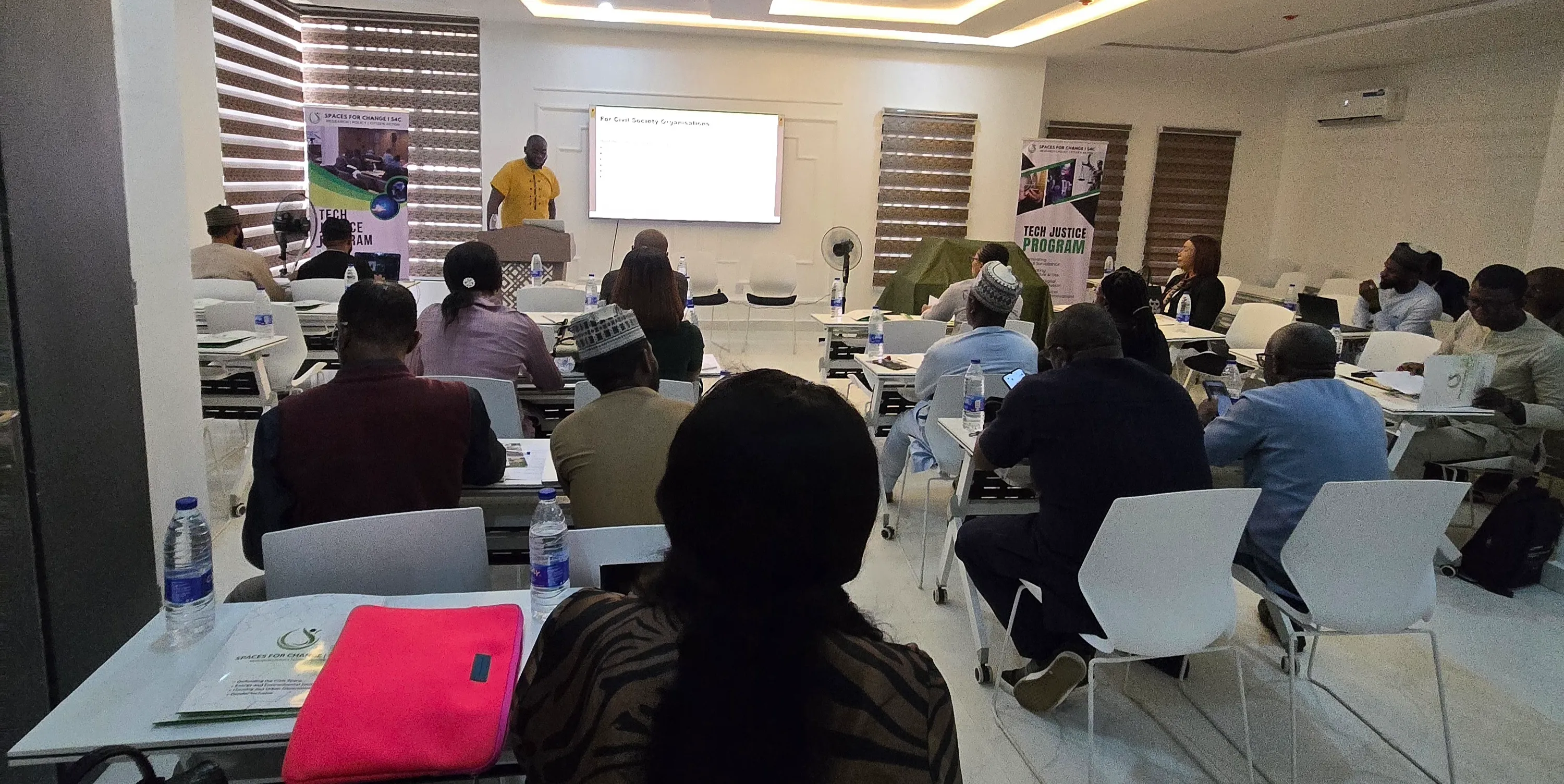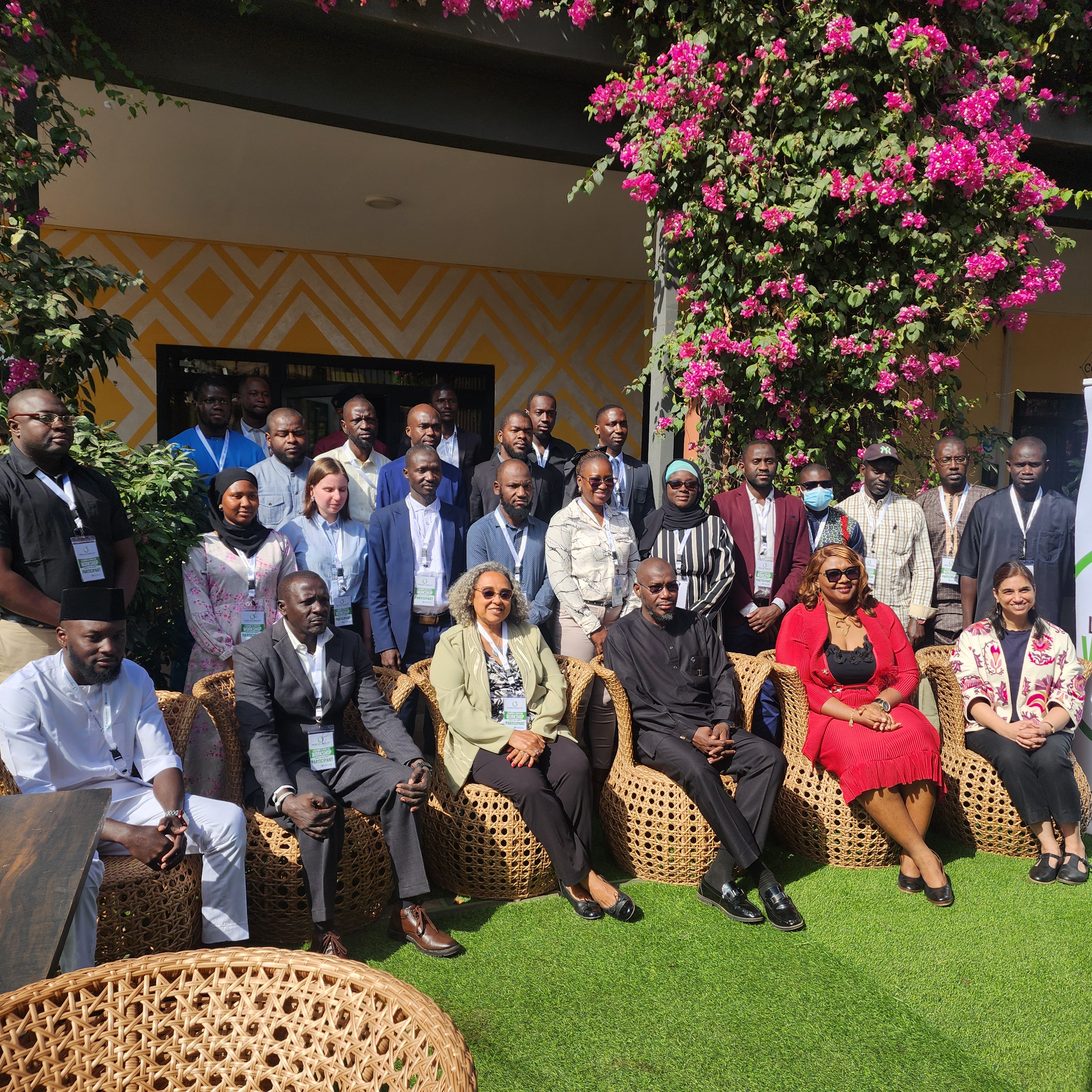
The Learning and Practice Workshop (LPW) on FATF Recommendation 8 organized by SPACES FOR CHANGE | S4C and the Financial Intelligence Unit (FIU) of Gambia brought together a broad spectrum of stakeholders involved in countering terrorism financing in the Gambia such as the FIU, central bank, tax authorities, financial institutions, customs, immigration, the intelligence bureau, charity regulators and civil society umbrella bodies. Held on March 6–7 in Banjul, Gambia, the LPW is third in the series of cross learning exchanges between Nigeria and other countries in West Africa conducting terrorism financing risk assessments of the non-profit sector in line with Recommendation 8 of Financial Action Task Force (FATF) Standards. Over the two days, the presentations, exercises and the deliberations elucidated the frameworks, concepts, methodologies and processes for assessing terrorism financing (TF) risks and vulnerabilities within Gambia’s nonprofit sector while ensuring that risk-mitigation measures are proportionate, evidence-based, and do not disrupt civil society operational freedoms.
As noted in the 2nd Mutual Evaluation Report (MER) 2022, Gambia has not conducted a comprehensive sectoral risk assessment of non-profit organizations (NPOs) to accurately identify the types of NPOs vulnerable to being exploited for TF purposes. As such, the country has not applied targeted and proportionate measures using a risk-based approach. Also, NPOs have not been sensitized on their obligations to implement TF-related risks. To address these deficiencies, Gambia is currently conducting the second national risk assessment (NRA), leveraging the technical expertise and experiences from other countries like Nigeria that has already secured a COMPLIANT rating on FATF R8.
Sharing the Nigerian experience, experts compared the methodologies and approaches adopted in the country’s 2016 and 2021 NRAs which produced different outcomes and ratings—one non-compliant and the other compliant. One lesson emerging from this comparison is that localized methodologies—grounded in national realities—yield the most effective outcomes. Against this backdrop, participants learned about the key principles of revised FATF R8, categories of TF risks within the NPO sector and the mechanics of the risk-based approach. Experts also elucidated on how NPOs can protect themselves against TF abuse and how governments can help.
The expert presentations provoked debates about the relevance of applying global counterterrorism norms to the local context, particularly considering that Gambia has not recorded any terrorist attacks or terrorism financing incidents. As one participant asked, “Should scarce national resources be directed toward counter-terrorism efforts, or should we focus on addressing root causes such as poverty and lack of education?” Concerns like this underscore the importance of calibrating risk assessments, mutual evaluations and risk ratings to reflect a country’s unique context rather than external geopolitical factors.
S4C is not only committed to strengthening the capacities of countries in West Africa to conduct localized and participatory TF risk assessment of non-profits that meet the requirements of FATF R8, but also keen to see countries in the subregion exit the greylist and also secure a COMPLIANT rating on FATF R8 just like Nigeria has done. A key takeaway from the workshop was the emphasis placed on adopting a risk assessment methodology tailored to national realities. As the two-day event concluded, Gambian authorities thanked S4C for exporting Nigeria’s rich TF risk assessment resources and experiences to other countries in West Africa. The insights gained from the workshop will directly inform and enrich Gambia’s ongoing NRA processes, including enhancing its prospects for a “Compliant” rating. The LPW in Gambia once again demonstrates that regional knowledge-sharing, combined with context-specific implementation, is fundamental to strengthening AML/CFT regimes across West Africa. S4C’s LPW initiatives in West Africa are generously supported by the Charles Stewart Mott Foundation.