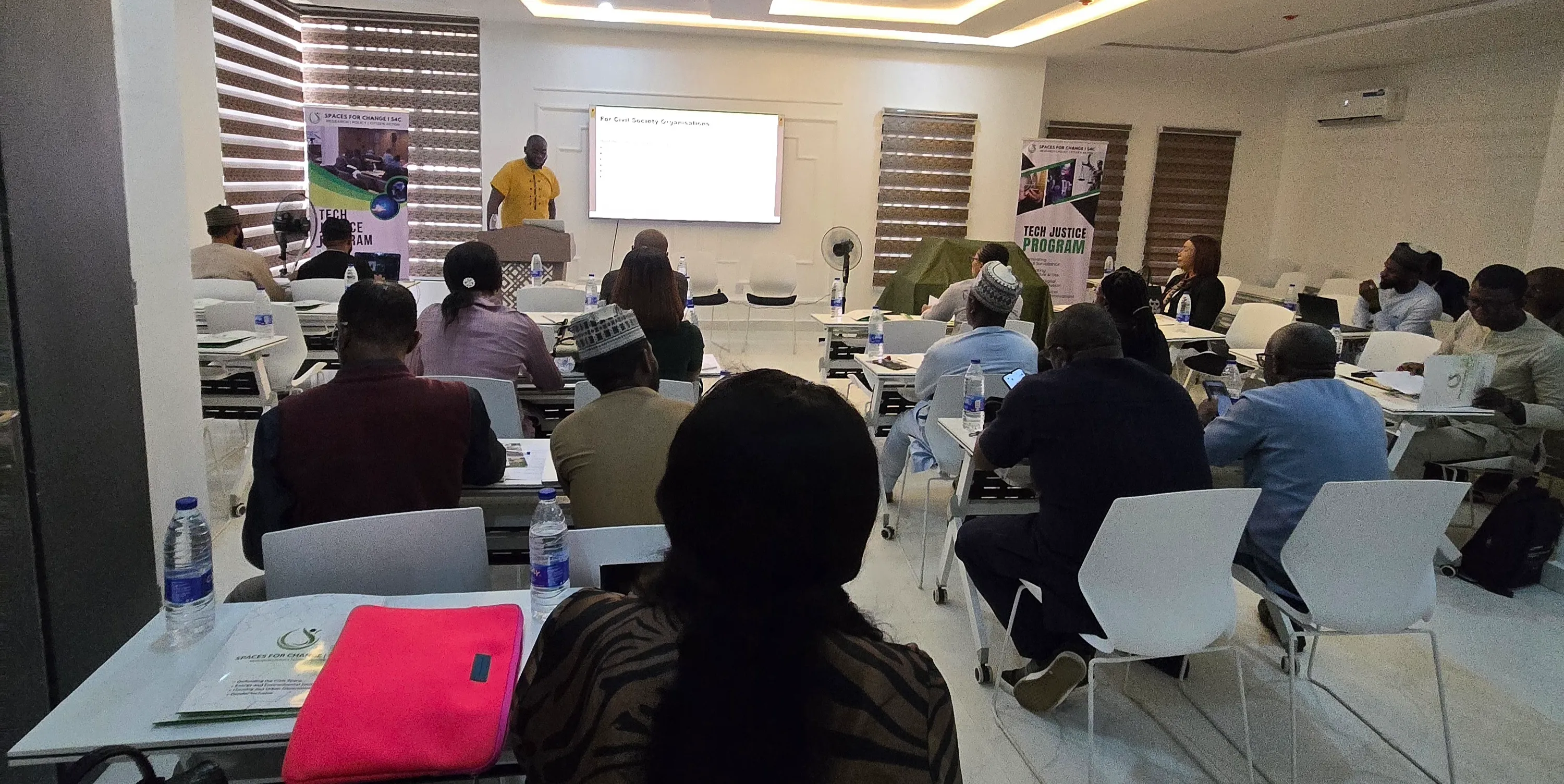
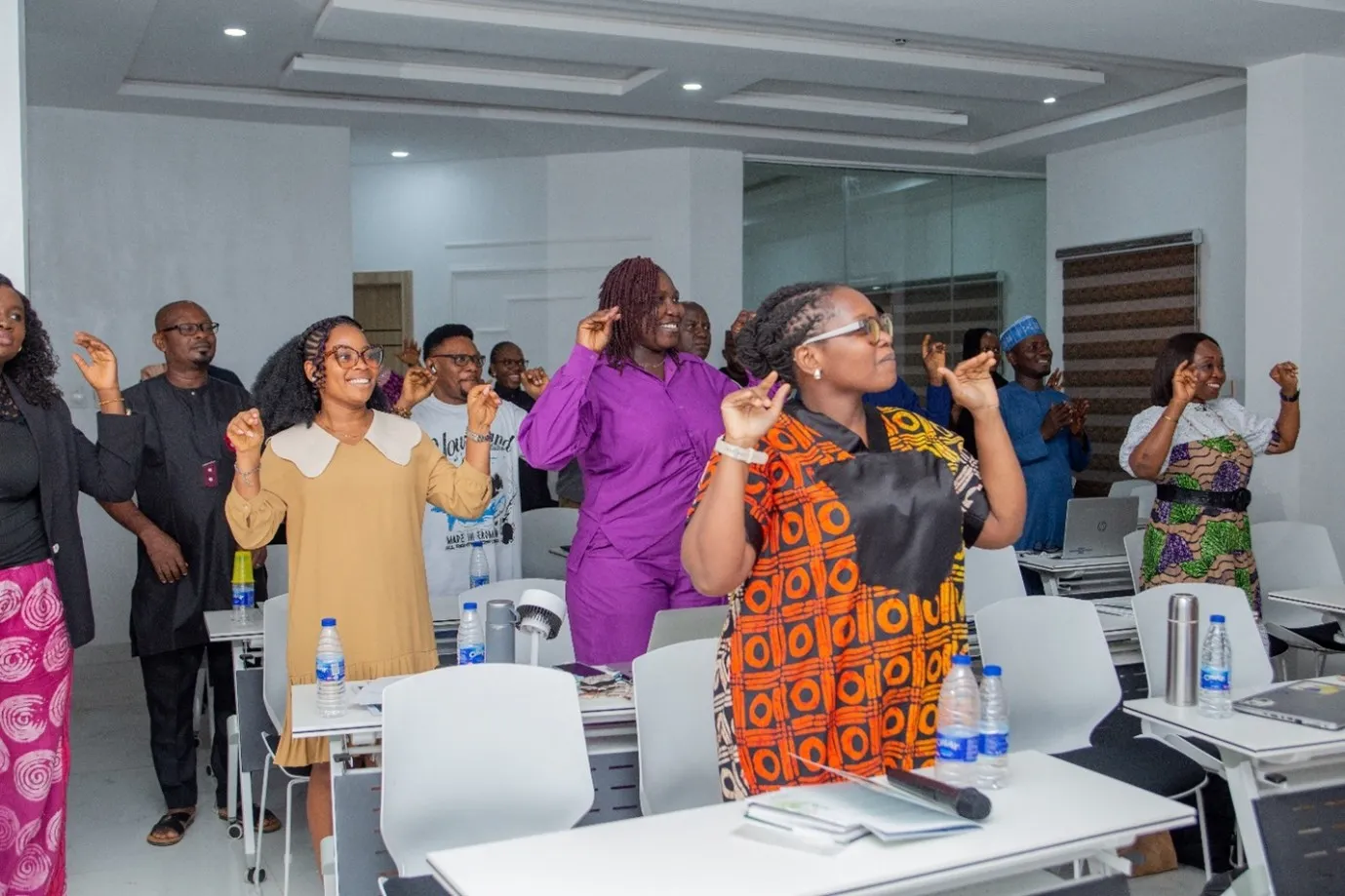
 On 11–12 March 2026, thirty-five [35] member-organizations of the Action Group on Free Civic Space (AGFCS) gathered in Abuja for the Coalition’s annual retreat. Over the two days, AGFCS members comprising civic groups, activists, journalists, and community-based organisations from Nigeria’s six geopolitical zones deepened their bonds of solidarity, reflected on the work collectively undertaken in the past year, and developed joint action plans for protecting and advancing civic space in 2026.
Since 2021, AGFCS member organisations have been co-implementing the Security and Civic Space Project–an initiative designed to disrupt, transform and reform the overreaching impacts of national and transnational security frameworks on civic freedoms and democratic participation in Nigeria, particularly the freedoms of expression, association, and peaceful assembly. The Security and Civic Space Project kicked off with a collective action research study that culminated into three reports—Security Playbook of Digital Authoritarianism in Nigeria, Harms from Abroad: The Impact of Global Security Mesures on the Civic Space in Nigeria, Shrinking Civic Space in the Name of Security.
What has happened since the Coalition released the three Security Playbook reports in 2021 and 2022? The reports identified targeted surveillance, arbitrary arrests, funding restrictions, overegulation of NGOs, criminalisation of peaceful assembly, and the intimidation of dissenting voices enforced under the guise of national security as indicators of civic space decline. The retreat created an opportunity for members to review the state of civic space in Nigeria against the backdrop of increasing securitisation and restrictions on civic freedoms, while assessing the coalition’s efforts toward confronting these trends over the past five years.
The retreat began with reflections on the activities member organizations implemented across the country in the previous year, highlighting successes, challenges, and emerging opportunities. Outcomes from these interventions include the release of over 100 unjustly-detained civic actors and protesters, outreach and capacity-building programmes reaching approximately 300 students, advocacy efforts that contributed to policy reforms at the state and federal levels, training programmes for more than 200 youths, policy dialogue between persons living with disabilities and policymakers, the amplification of marginalised voices, the establishment of a civic space centre in Gombe, and capacity-building for judges on civic space protection.
Collaboration was a central theme that ran through discussions throughout the retreat. Participants shared how joint planning and coordinated implementation of activities enabled coalition members to achieve significant impact within a relatively short period. Collective actions encouraged learning exchanges, fostered mutual support and resource-sharing while reducing duplication. At the same time, participants examined challenges encountered during implementation, including bureaucratic bottlenecks, inflation, project delays, language barriers, and the fear of reprisals. These conversations helped identify lessons for improving future interventions and strengthening coalition-wide responses.
As Nigeria moves closer to another election cycle, coalition members brainstormed how to proactively push back against the restrictions on civic freedoms that often intensify during elections. Election periods are frequently characterised by the targeted surveillance of critics, reprisals against dissenting voices, the shrinking of democratic space using various tactics and legislations such as the Public Order Act (POA), a colonial-era legal framework. The moderated planning sessions enabled the exploration of proactive measures to ensure democratic spaces remain open during the forthcoming elections.
The retreat wasn’t just about hardcore strategy talks and deep dives into civic space protection initiatives. Discussions were accompanied by group activities, plays and fun exercises that deepened the frendhsip and camaraderie among participants. In one such session, members used emoticons to represent their assessment of the civic space in the previous year and their expectations for the year ahead. These creative exercises provided a visual way to capture collective sentiments while encouraging open and candid conversations about the realities of Nigeria’s civic environment.
By the close of the two-day retreat, AGFCS members had developed a stronger shared vision for 2026, proposing initiatives aimed at countering securitisation, strengthening civic resilience, and expanding opportunities for collaboration across the Coalition. The presentation of proposed initiatives also revealed several points of intersection, opening new pathways for joint action and reinforcing the Coalition’s commitment to collective impact.
The retreat was organised by Spaces for Change with support from the Fund for Global Human Rights (FGHR). As members departed Abuja, the shared resolve was clear: protecting civic space in Nigeria will require solidarity, strategic action, and a sustained commitment to collective advocacy.