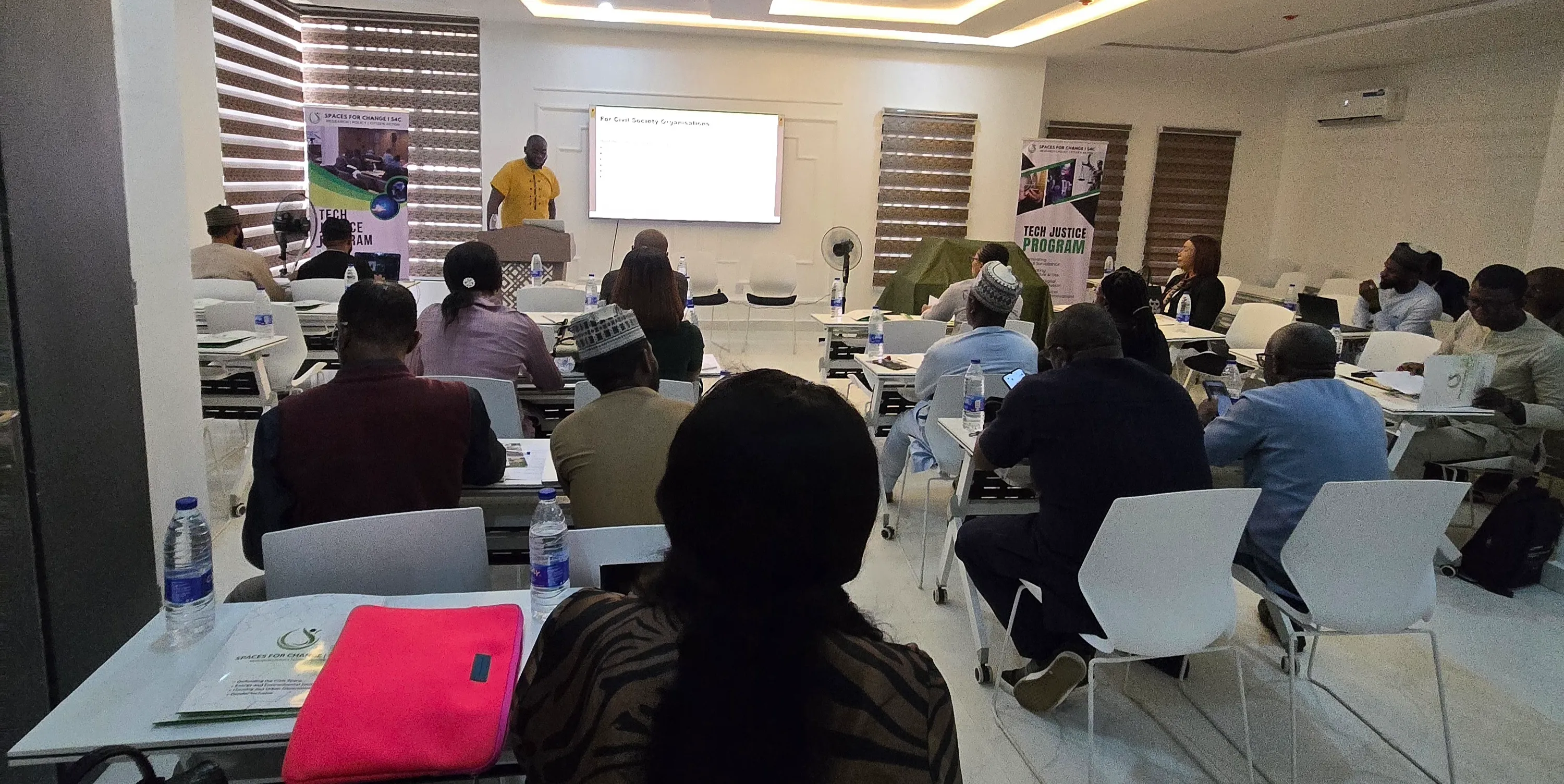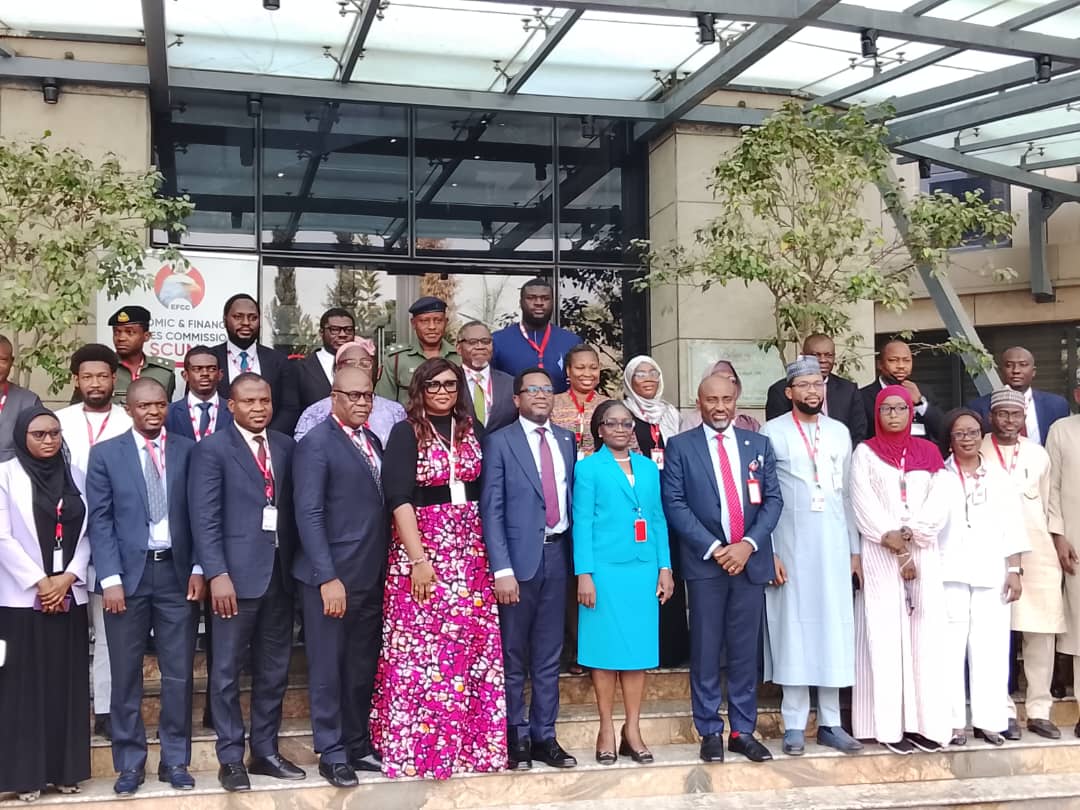
Nigeria kicked off the review of the national terrorism financing risk assessment (TFRA) of non-profit organizations’ (NPO) sector on March 10, 2026. Spaces for Change | S4C joined stakeholders—comprising representatives of local and international NPOs, the Economic and Financial Crimes Commission (EFCC), Special Control Unit Against Money Laundering (SCUML), Nigerian Financial Intelligence Unit, Federal Ministry of Budget and National Planning, Corporate Affairs Commission, British High Commission, the Nigerian military, intelligence and law enforcement agencies—at the flag-off ceremony held in Abuja, to develop a shared agenda and timeline for the exercise, while putting the necessary modalities in place for the review of the previous TFRA conducted in 2022.
Consistent with Recommendation 8 of the Financial Action Task Force (FATF), countries are required to conduct national terrorism financing risk assessment of the NPO sector in order to identify, assess and understand the terrorism financing threats and vulnerabilities that non-profits may face in the course of their work, and develop mitigation strategies to counter identified threats. Out of FATF’s 40 Recommendations, Recommendation 8 specifically focuses on protecting NPOs from being abused for terrorism financing. Therefore, Nigeria’s review exercise is in line with its international obligation to ensure that NPOs within its jurisdiction are not misused for terrorism financing. This review is particularly imperative as FATF Recommendation 8 and its interpretative note (IN) – now require countries to apply a risk-based approach to dissuade terrorist financing abuse without disrupting legitimate charitable activities.
In their opening statements, heads of government agencies such as EFCC, SCUML, Federal Ministry of Budget and National Planning commended NPOs for occupying a vital place in the development landscape, complementing government’s efforts in delivering social services to improve social stability, and providing humanitarian assistance in very fragile and hard-to-reach communities. Of particular significance is the accountability and good governance contributions NPOs made towards Nigeria’s exit from FATF greylist in October 2025.
Despite these noble efforts, NPOs face certain vulnerabilities just like other sectors of the economy. Protecting the integrity of the sector is therefore imperative to preserve public trust and confidence in charitable organizations. The assessment exercise now aims to provide an evidence-based understanding of the terrorism financing risks in the sector which will ultimately inform the development of risk-based supervisory (monitoring) measures. In addition, the TFRA review is a critical step towards consolidating the gains and achievements made since the amendment of the Money Laundering (Prohibition) Act 2023, which delisted NPOs from the list of obliged reporting entities. Ever since, NPOs were no longer classified as designated non-financial businesses and professions (DNFBPs).
SCUML, a unit under the EFCC, currently leading the TFRA review exercise, is determined to collaborate with NPOs and international development partners to maximize these achievements. As the flag-off ceremony wrapped up, two working groups—Core Working Group (CWG) and the Technical Working Group (TWG)—were constituted while the technical expert team led by Spaces for Change presented the work plan for the review exercise. Spaces for Change remains committed to ensuring that the review outcomes accurately reflect the vulnerability status of NPOs in Nigeria and also aligns with the requirement of FATF Recommendation 8. Ultimately, this will not only protect the sector from TF abuses, but ultimately, ensure that humanitarian activities do not suffer any hindrance.