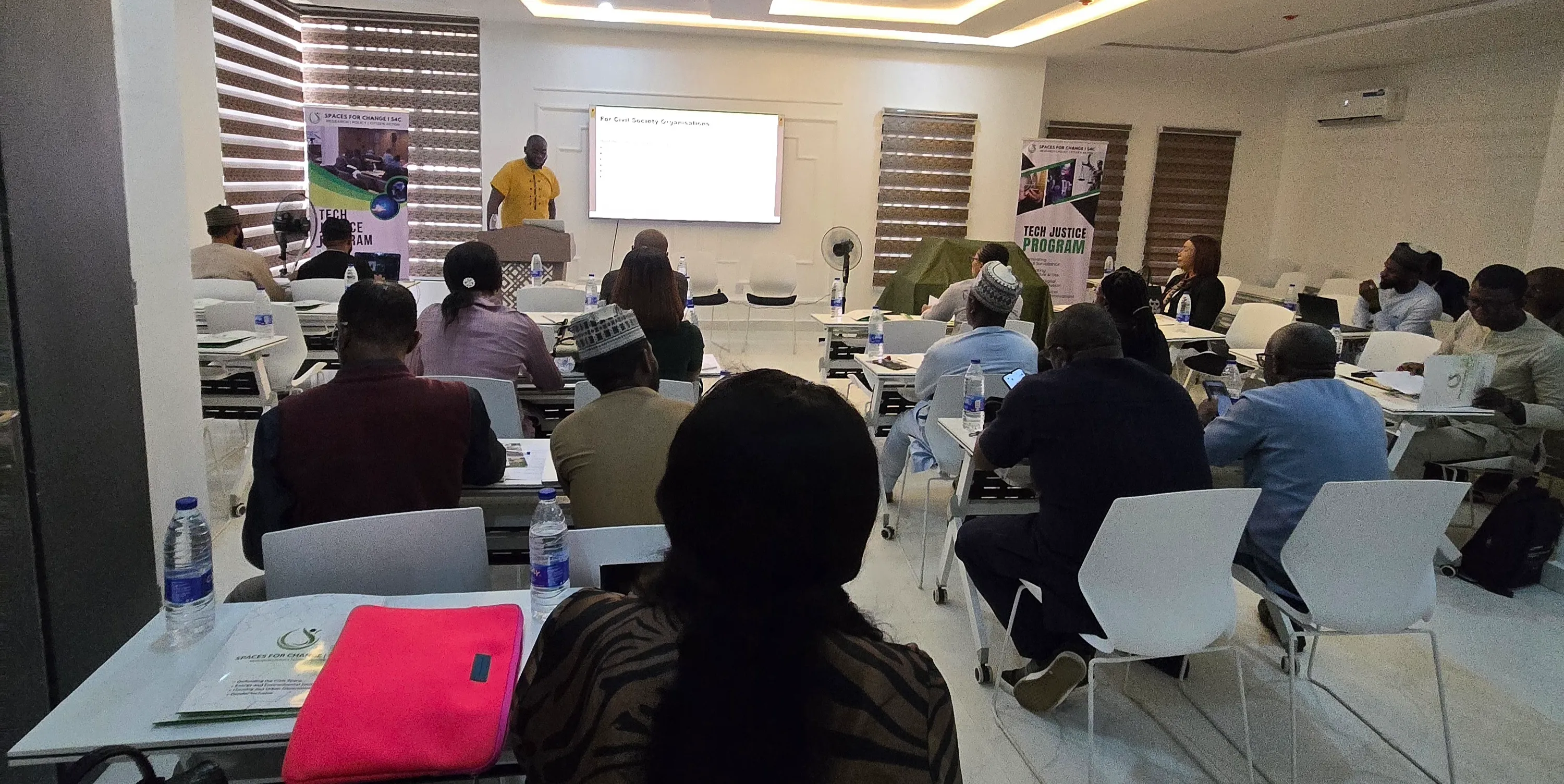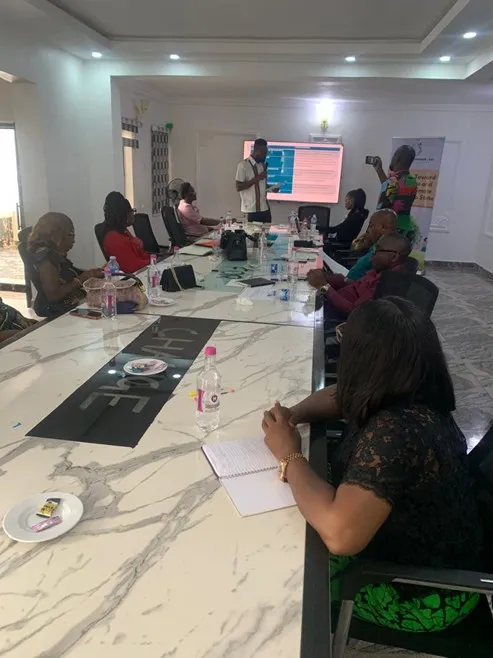
Months after the Imo State Climate Change Policy 2025 was concluded and handed over to the state authorities, Spaces for Change | S4C and the Imo State Ministry of Environment have kicked off the implementation phase of the Imo State Climate Change Action Plan (CCAP). The CCAP kicked off with the inception meeting of the Steering Committee for the Imo State Climate Change Action Plan (CCAP) in Owerri, Imo State on 26 February 2026. The meeting brought together representatives of key ministries, departments and agencies (MDAs), academia, civil society actors, and technical experts with a shared mandate: to translate the State’s climate commitments into a structured and measurable implementation framework.
The session opened with the formal inauguration of the Steering Committee, marking a shift from policy formulation to operational planning. With this act, responsibility for guiding the development of the Action Plan was formally assumed. The Committee’s role is to oversee the design of a roadmap that aligns with the State’s Climate Policy while ensuring clarity in timelines, institutional roles, and accountability mechanisms.
With the Committee formally constituted, attention turned to clarifying a foundational distinction: the difference between policy direction and implementation. While the Imo State Climate Policy articulates vision and strategic intent, the Climate Change Action Plan must answer the practical questions: What actions are required? Which institutions are responsible? What timelines govern delivery? How will progress be monitored? This clarity anchored the deliberations in execution rather than aspiration.
Building on this foundation, members examined a proposed development framework defining success at three levels. At the policy level, success entails integrating climate priorities into State planning and budgeting processes and strengthening coordination across institutions. At the implementation level, it requires a prioritized and sequenced action plan supported by functional monitoring systems and capable institutions at both state and local government levels. At the impact level, it translates into reduced climate risks, strengthened livelihood resilience, and measurable progress towards sustainable development.
From framework to feasibility, the Committee then interrogated the proposed workplan rigorously. Members assessed sequencing, institutional readiness, and resource considerations, identifying potential constraints such as limited funding streams, administrative delays, uneven institutional commitment, and coordination gaps. These challenges were acknowledged as practical realities requiring deliberate planning and sustained engagement.
Across the deliberations, the issue of inclusivity remained central. Members emphasized that the Action Plan must deliberately engage youth, women, persons with disabilities and rural communities, to ensure that implementation reflects the diversity of the State. Public sensitization and transparent communication were identified as necessary to maintain trust and participation throughout both drafting and implementation.
At the same time, academic voices reinforced the importance of analytical rigor. Members cautioned that climate plans falter where diagnostics lack depth or where data is insufficient. The Committee therefore stressed the need for credible baseline assessments and sector-specific analysis to ensure that interventions are realistic and evidence-based. Discussions also acknowledged the role of anthropogenic activities in intensifying erosion, flooding, and agricultural disruption across Imo State, reinforcing the need for a balanced approach that addresses both adaptation and mitigation.
Throughout the meeting, technical deliberations remained grounded in lived realities. The visible impacts of land degradation, flooding, and agricultural loss across communities were repeatedly referenced, underscoring the urgency of coordinated institutional action. By the end of the meeting, consensus had been reached on the proposed methodology and development timeline. With its oversight role formally assumed, the Steering Committee now proceeds to guide the drafting and validation process.
Moving forward, the Committee assumes responsibility for ensuring that the Climate Change Action Plan is evidence-driven, inclusive, and implementable: a document grounded in both institutional commitment and community realities. The work ahead demands discipline, coordination, and sustained engagement, but the foundation laid at the inception meeting provides a clear path towards a truly climate-resilient and sustainable Imo State.