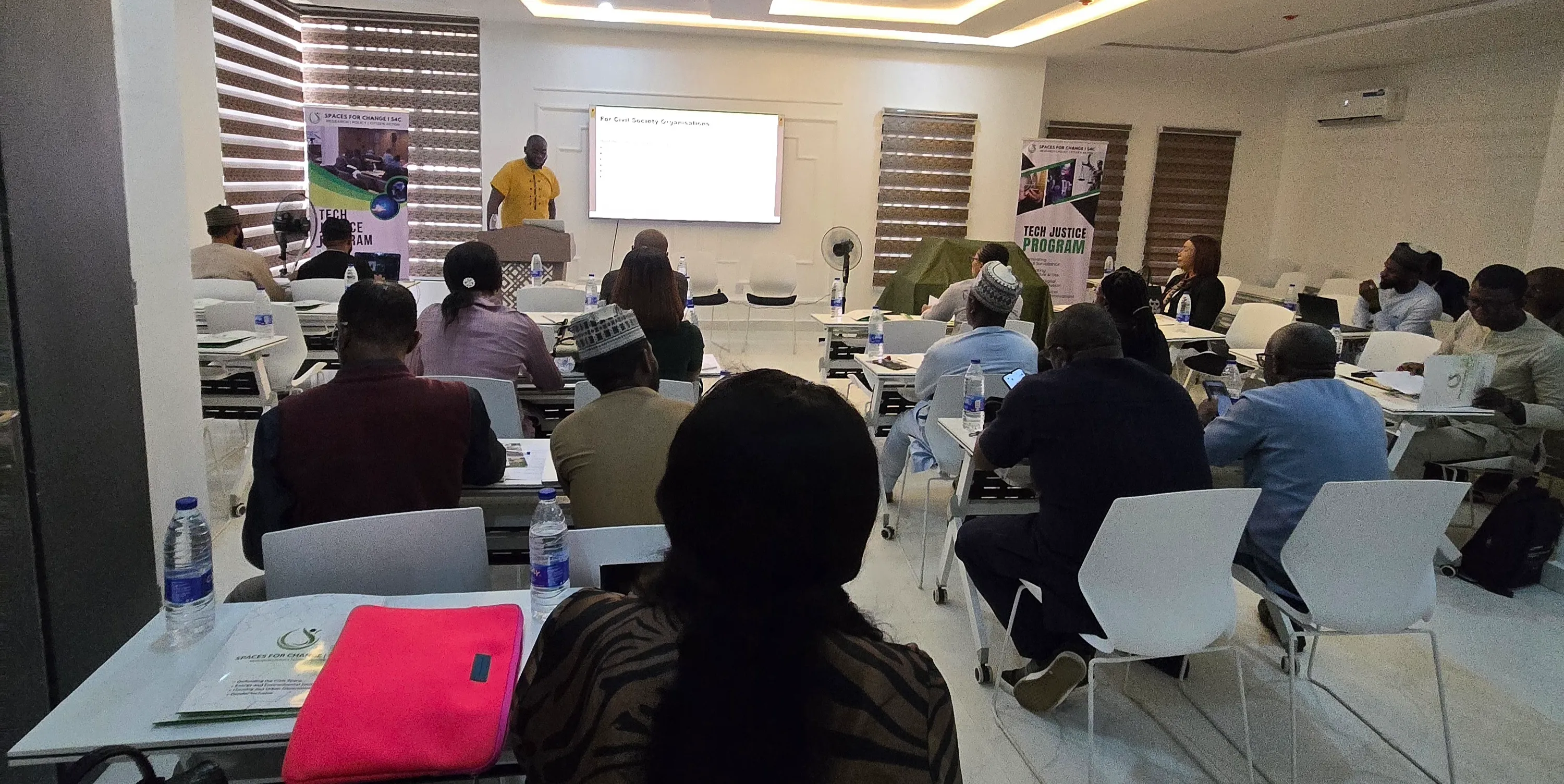
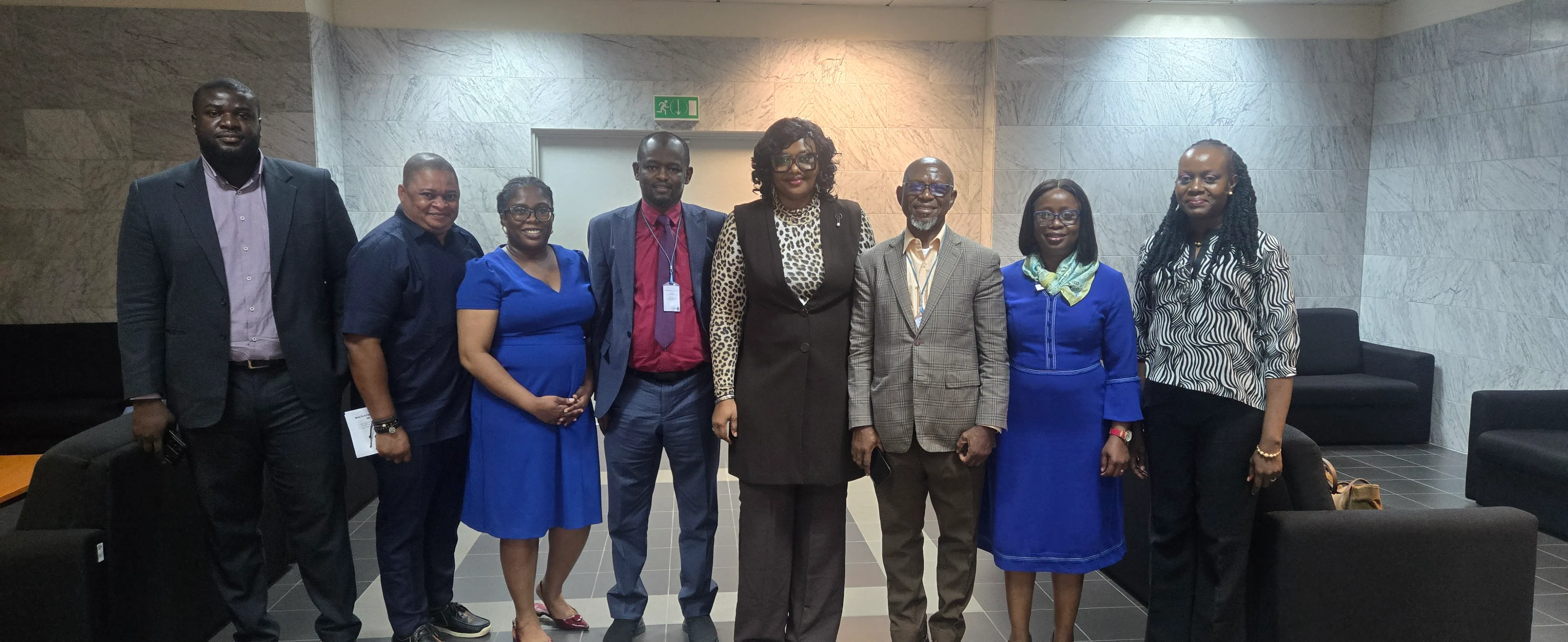
 Executives of the Multi-Stakeholder Working Group on Charities (MSWGC) also known as the Nigeria Trisector Dialogue paid a courtesy visit to the Central Bank of Nigeria (CBN) at its corporate headquarters in Lagos on March 17, 2026. The visit afforded the MSWGC delegation—comprising senior representatives of regulatory bodies, the national companies’ registry, law enforcement agencies and civil society organizations—to acquaint the CBN with the activities of the Multi-Stakeholder Working Group on Charities particularly regarding the implementation of the revised Recommendation 8 of the Financial Action Task Force (FATF) which focuses on non-profit organizations (NPOs).
The MSWGC is a tri-sector dialogue platform that brings together NPOs, charity regulators, law enforcement agencies and financial institutions to address financial access restrictions that non-profits face arising from the implementation of banking policies and regulatory measures designed to counter the financing of terrorism in Nigeria. The MSGWC meets quarterly and jointly implements a variety of initiatives to improve financial inclusion, address policy gaps and enthrone a more favorable regulatory environment for NPOs. Since its establishment as a meeting point for the coordination, regulation and collaboration between NPOs, financial institutions and the regulators, the group has taken steps to prevent over-regulation, bank de-risking and the financial exclusion of the NPOs in Nigeria.
During the meeting, the CBN learned about MSWGC’s previous engagements with financial institutions, regulators, and NPOs. MSWGC executives and the central bank discussed ways of bolstering financial inclusion for NPOs, ensuring that they are not pushed underground to consider informal payment channels. They also discussed the role of the central bank in developing and issuing guidance to banks and other financial institutions that bolster the correct implementation of the revised FATF Recommendation 8.
A central theme discussed is the blanket risk rating for NPOs by commercial banks, and the consequential impacts on humanitarian operations. This high-risk rating persists despite the outcomes of the national terrorism financing risk assessment which the Special Control Unit against Money Laundering unit of the Economic and Financial Crimes Commission conducted in 2022. What the assessment has done is to define, as a country, the NPOs that fall within the FATF definition, identify the NPOs at risk of terrorism financing abuse and the categorize the risks according to the activities of the NPOs and their geographical locations. Clear policy guidance from the central bank will not only help to address the blanket risk assumptions thatare inconsistent with the risk assessment results, but also necessary for standardizing NPO customer onboarding and account maintenance processes using a risk-based approach.
FATF Recommendation 8 is one of the Recommendations where Nigeria has attained a “fully compliant” rating. This favorable rating is one of the key factors that contributed to Nigeria’s exit from the FATF greylist last October. As the next mutual evaluation draws close, stakeholders agrreed that there is need for the country to sustain reforms made to enhance the integrity of domestic financial systems.
The meeting closed with the consensus among stakeholders that collaboration in key toward protecting national financial systems against illicit financial flows. Agreements on key issues were reached and plans drawn up to sustain the MSGWC’s dialogue, including enhancing the central bank’s oversight to ensure the effective implementation of Recommendation within the financial sector.