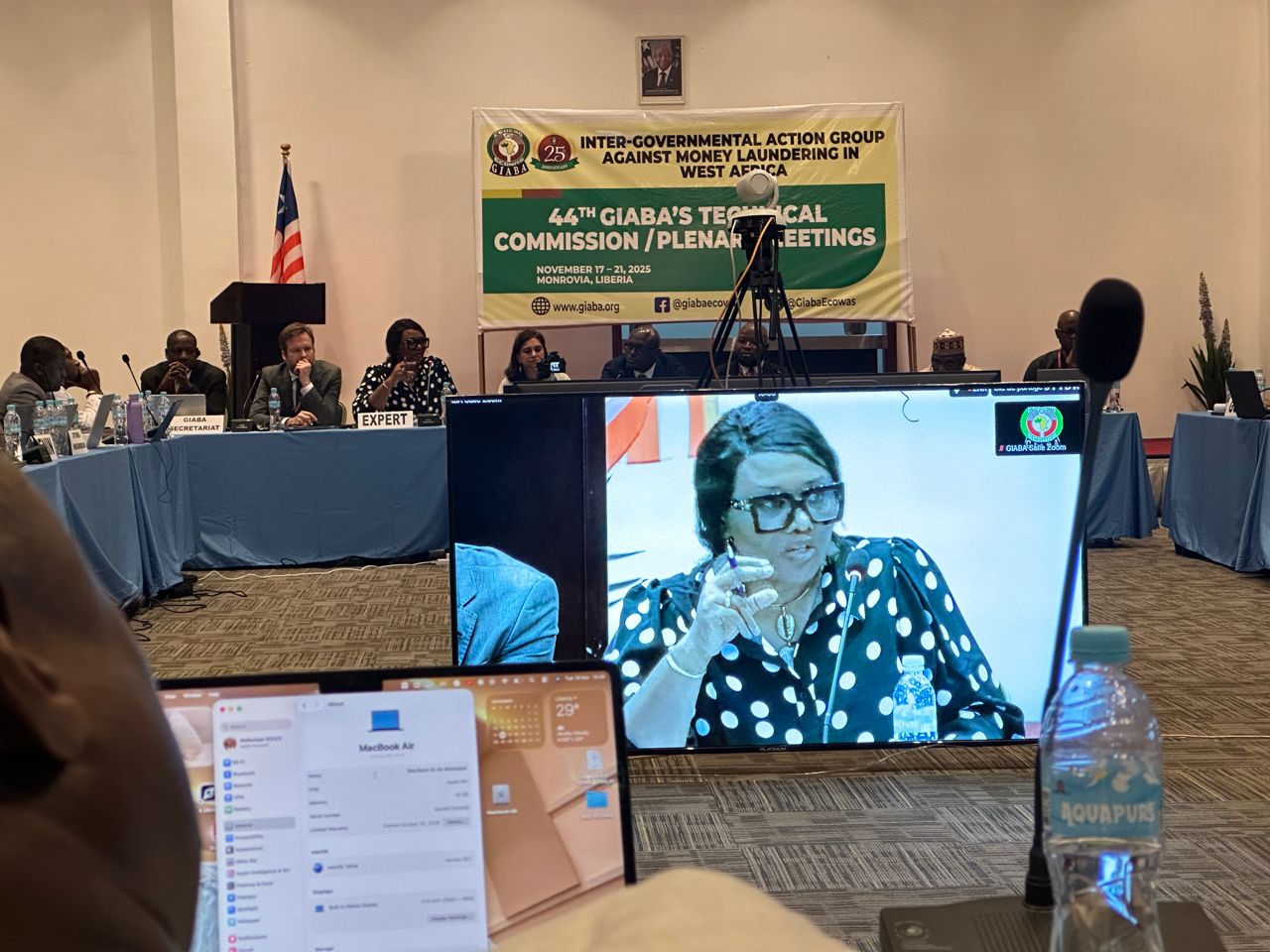
Spaces for Change | S4C participated as a technical expert at the 44th Technical Session/Plenary of the Inter-Governmental Action Against Money Laundering in West Africa (GIABA) held in Monrovia, Liberia from November 17 to 21, 2025. The plenary united representatives from the sixteen member states of GIABA, including heads and senior officials of financial intelligence units (FIUs), central banks, securities and exchange commissions (SECs), nonprofit organizations’ (NPO) regulators, law enforcement agencies (LEAs), and other key security agencies.
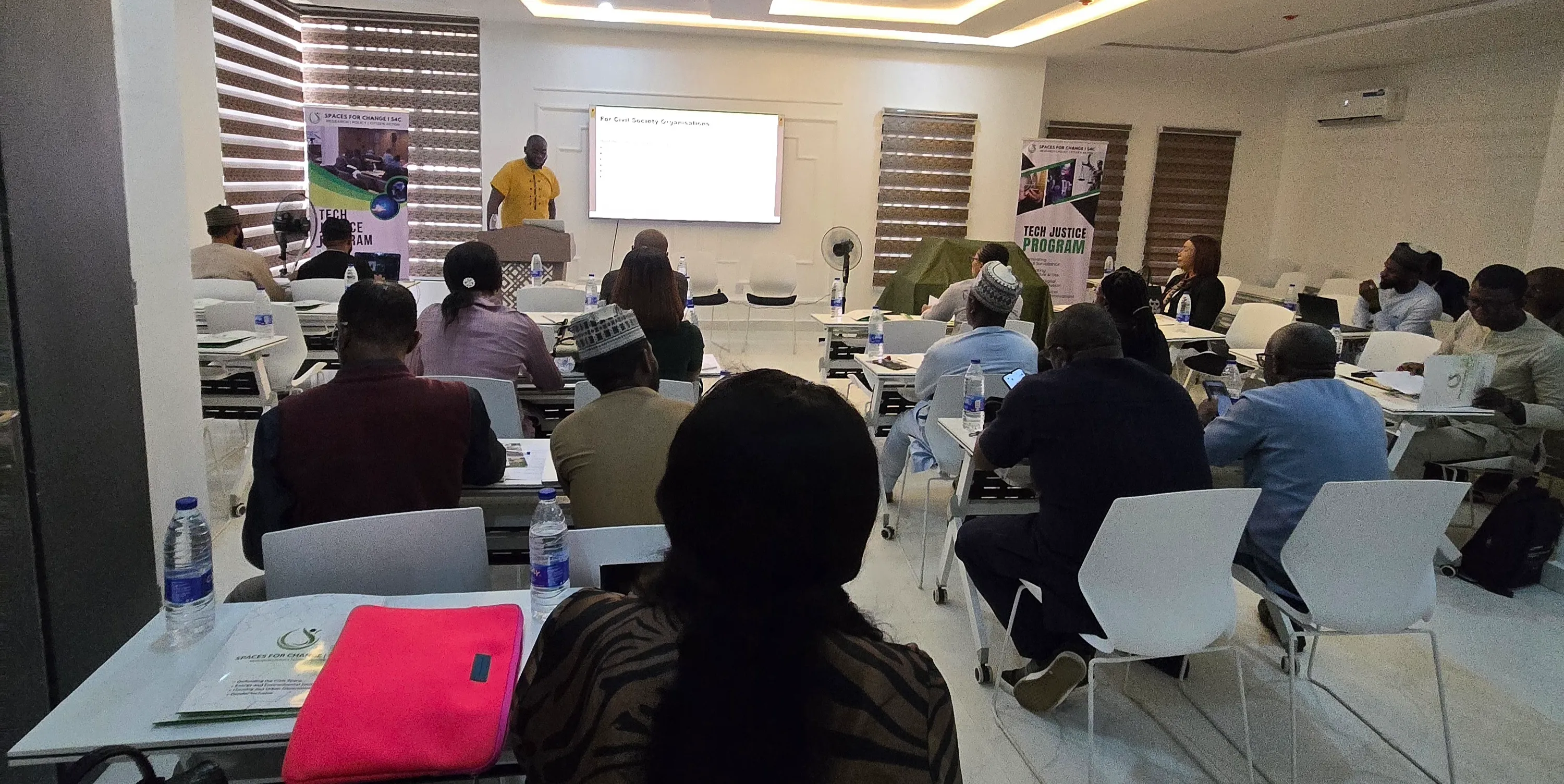
At the technical session held on the 2nd day of the plenary, supported by Deutsche Gesellschaft für Internationale Zusammenarbeit (GIZ), S4C and other technical experts delivered tailored training to increase delegates’ capacity to implement the revised Financial Action Task Force (FATF) Recommendation 8 (R8) and shared practical experiences from best practice jurisdictions. Since its introduction in 2001, R8 has undergone several revisions, the most recent occurring in 2023 to address unintended consequences (UIC) arising from countries’ implementation of the recommendation. Some of the unintended consequences include financial exclusion, bank derisking, overregulation etc.. Additionally, misinterpretation and misapplication of R8 provisions by certain countries have contributed to a tightening regulatory environment for NPOs.
During the sessions, experts shared information and technical resources for conducting national terrorism financing risk assessments for the non-profit sector; identifying organizations that fall within the FATF’s definition of NPOs; developing focused, proportionate, and risk-based monitoring frameworks and mitigation measures without unnecessarily disrupting legitimate NPO activities. The technical session also afforded an opportunity to share emerging trends on overcompliance and overregulation directly with NPO regulators and FIUs. Drawing from experiences garnered from the various NGO Regulatory Compliance Clinics (RCCs) organized by Spaces for Change across West Africa, NPOs in the subregion are experiencing compliance overload due to multiple regulations and regulatory bodies, stringent terrorism financing regulations, severe penalties, redundant regulatory bodies, elongated registration requirements, high compliance costs and difficulties in opening bank accounts.
Other issues highlighted include heightened compliance burdens and financial exclusion arising from enhanced onboarding processes for NPO customers and blanket high-risk ratings for all NPOs by financial institutions. The combination of difficulties highlighted above often result in disruptions to legitimate NPO activities. Along this line, experts walked delegates through key concepts and implementation strategies, demonstrating how participatory NPO risk assessments, proportionate risk mitigation measures and tri-sector or multi-stakeholder dialogues can help minimize these burdens for NPOs. These approaches drew on best practices observed in Nigeria, Netherlands, United Kingdom and other jurisdictions. The technical session concluded on a high note, receiving commendations from both the delegates and the GIABA secretariat.