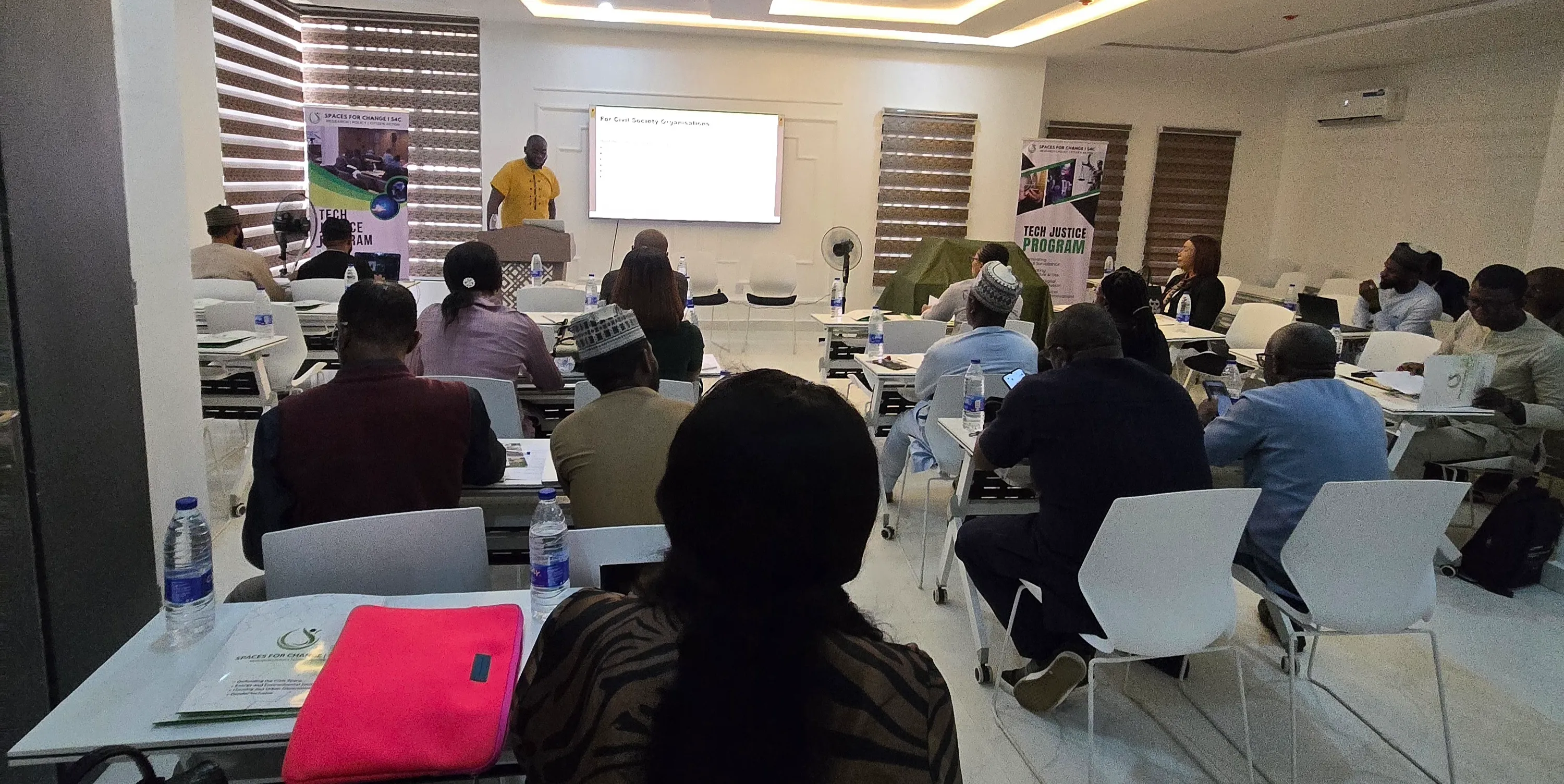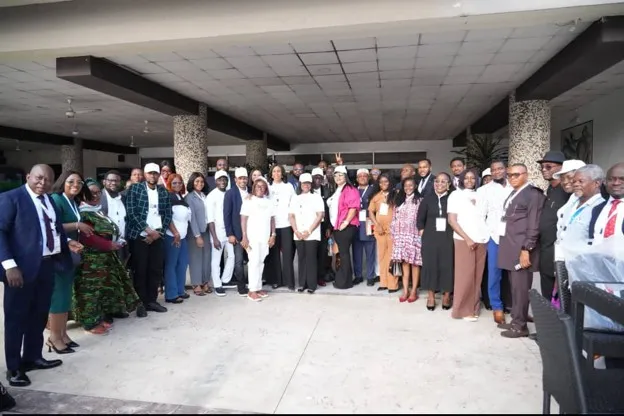
“Our bankers have duplicate copies of nearly every transaction made in foreign currency (FX transactions) within my organisation. Our bankers insist on having a copy before processing these transactions, a practice tearing our confidentiality and privacy rights to pieces.” A non-profit participant made this remark during the 4th General Assembly Meeting of the Multi-Stakeholder Working Group on Charities (MSWGC), convened by Spaces for Change | S4C on April 8, 2026, in Lagos, Nigeria. The assembly brought together key stakeholders—including representatives and executives of non-profit organisations (NPOs), financial institutions, law enforcement agencies and regulatory bodies—to continue the discussions around removing the excessive restrictions and bureaucratic burdens that limit NPOs’ access to financial services in Nigeria.
In October 2023, the Financial Action Task Force (FATF) amended Recommendation 8 (R8) and its Interpretive Note to better protect NPOs from terrorism financing abuse without stifling the activities of legitimate NPOs. The revisions emphasize a risk-based, proportionate approach, requiring countries to identify the specific subset of NPOs at risk and apply targeted measures. Although countries like Nigeria have conducted a terrorism financing risk assessment (TFRA) of the non-profit sector that clearly identified the subsets of NPOs at risk of terrorism financing abuse, financial institutions frequently ignore the outcomes of these assessments, continuing to apply a blanket risk rating to the all NPOs regardless of their disparate risk spectrums or special circumstances. The consequence is delayed or blocked transfers, difficulties in opening or maintaining bank accounts, frozen or suspended accounts and bank derisking.
Prompted by the key findings of a presentation that detailed the impacts of national FX policies on the NPO customers, a major issue discussed at the 4th Assembly was how policies and measures enforced by financial institution to mitigate the risks of money laundering and terrorism financing abuse may violate privacy rights protections guaranteed by the Nigerian 1999 constitution. NPO customers reported that they are subjected to heavy paperwork for every FX transaction processed within and outside Nigeria. This includes repetitive requests for receipts of meals, taxis, airport transfers, per diem, coffee breaks, hotel reservations, contracts with vendors, subawards to partners, among others.
Are NPOs singled out for heavy paperwork or is this practice applied to all other sectors? This question provoked conversations around the extent other sectors are subjected to similar cumbersome requirements as well as the enabling factors. Some factors responsible for this include limited knowledge of the risk-based approach, blanket application of AML.CFT measures, risk aversion, fear of sanctions, etc. There was consensus that continuous stakeholder engagement and capacity building for financial institutions on the tenets of the FATF R8 must therefore be sustained in order to minimize these negative impacts and steer healthy policy reforms.
How can regulators and financial institutions distinguish between legitimate and sham NPOs? This was another issue discussed at the 4th Assembly, particularly in light of the proliferation of sham NPOs registered to carry out “good works” while concealing their true identities and activities. Representatives of agencies also gave updates on the efforts, including new initiatives rolled out to improve reporting and regulatory oversight in the non-profit sector. More specifically, the 4th Assembly received detailed updates regarding the ongoing categorization of registered non-profit entities as well as the review of the terrorism financing risk assessment of non-profit organizations which commenced on March 10, 2026.
The meeting wrapped up with sectoral inputs into the draft policy guide on the standard onboarding procedure for NPO customers. This guide aims to standardise the onboarding procedure for NPOs among financial institutions. It identifies the roles of relevant stakeholders in the onboarding process and establishes a roadmap for its adoption and implementation. The 4th General Assembly concluded on a strong note, with members setting timelines for specific action points, demonstrating members’ commitment to achieving the MSWGC’s objectives. The MSWGC is coordinated by Spaces for Change and supported by the Global Centre on Cooperative Security.