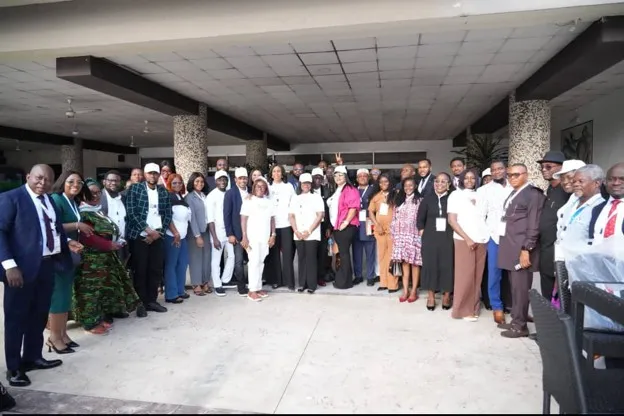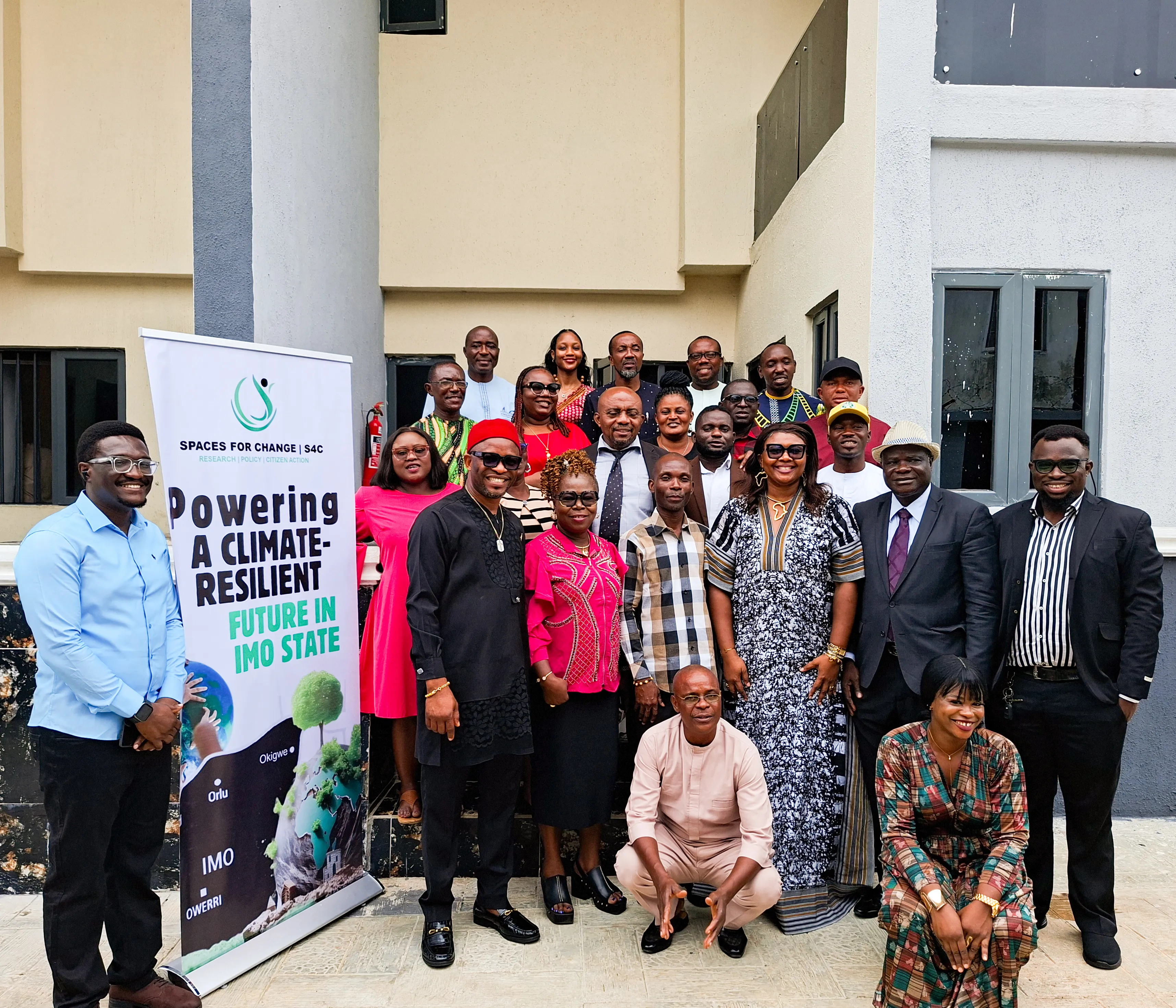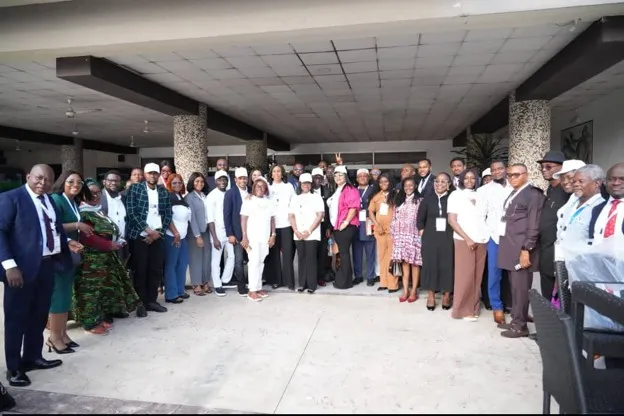
Spaces for Change | S4C participated in the stakeholders’ sentization and engagement forum on the Host Community Development Trusts (HCDTs) organized by the Nigerian Midstream and Downstream Petroleum Regulatory Authority (NMDPRA) on May 20, 2026, in Port Harcourt, Rivers State. Industry regulators, oil and gas downstream operators, civil society organizations, and communities converged at the forum where the NMDPRA launched the new HCDT Digital Portal—a reporting platform to monitor the performance of HCDTs set up by operators in downstream operations in the oil and gas industry.
The digital platform is a welcomed automated initiative that will facilitate the digital registration of community trusts, tracking infrastructure projects in real time, managing compliance reporting, and monitoring operators’ statutory financial contributions. It represents a major regulatory shift toward improving transparency and accountability within the sector, by providing swift feedback to regulators and concerned members of host communities while spotlighting HCDTs that are either operational or inactive.
Beyond the launch, the forum was necessary to clear up operational confusion experienced since the enactment and implementation of the Petroleum Industrial Act (PIA) in 2021. Regulators and participants discussed the respective responsibilities of oil companies and the host communities, with expert presentations re-emphasizing the resource governance responsibilities of trustees and management committees, the operational obligations of licensees, fund administration, and the established grievance resolution mechanisms.
Understanding the relevance of midstream operations, including pipelines, depots, terminals, and transportation infrastructure to Nigeria’s national energy security, host communities were tasked to derive actual, lasting benefits from them, citing places in Kalabari, Andoni, Okrika and other riverine host communities. Community stakeholders were therefore urged to maintain unity, embrace accountability, and actively protect the petroleum infrastructure within their domains to prevent disruptions.
S4C advocated for the prioritization of local content in the administration of the HCDTs. Another thorny issue raised related to divestments (often perceived as abandonment by host communities), environmental liabilities, and community protection throughout every stage of company-to-company transition processes. Divestments must not leave communities bearing the burdens of extractive activities. Remediation, restitution, and host community consent should precede any asset transfer. Environmental justice must be paramount, with cleanup, remediation, and safeguards implemented before any divestment or transition.
Regulators reminded midstream operators about their mandatory obligation to remit their three per cent (3%) annual contribution, popularly known as the 3% OPEX, to ensure sustainable local development of the host communities. At this point, S4C also called on operators to make full disclosure to HCDTs on how the 3% OPEX is calculated, insisting on the right of communities to access their financial information. Representatives from host communities noted that the forum provided valuable knowledge that would help local leaders maximize midstream benefits, thereby eliminating the clashes between agitated host community representatives and oil companies. However, regulators were urged to maintain strict supervisory oversight to guarantee that the development funds are properly managed and used strictly for their intended purposes.
The meeting concluded with stakeholder consensus that all future trust registrations, project tracking, and financial monitoring must fully transition to the newly launched digital portal, and that operators must strictly comply with their annual funding obligations. When fully activated, the digital platform holds enormous potential to address the historically hostile communications between companies and their host communities. This is because operator’s consistent reporting of contributions made to the HCDTs would ensure communities get their fair share of oil and gas benefits, thereby reducing local discontent and disturbances. Leveraging technology would provide the much needed transparency in resolving the existing conflicts between regulators, oil companies and HCDTs, allowing for an effective implementation of the host community framework under the PIA.