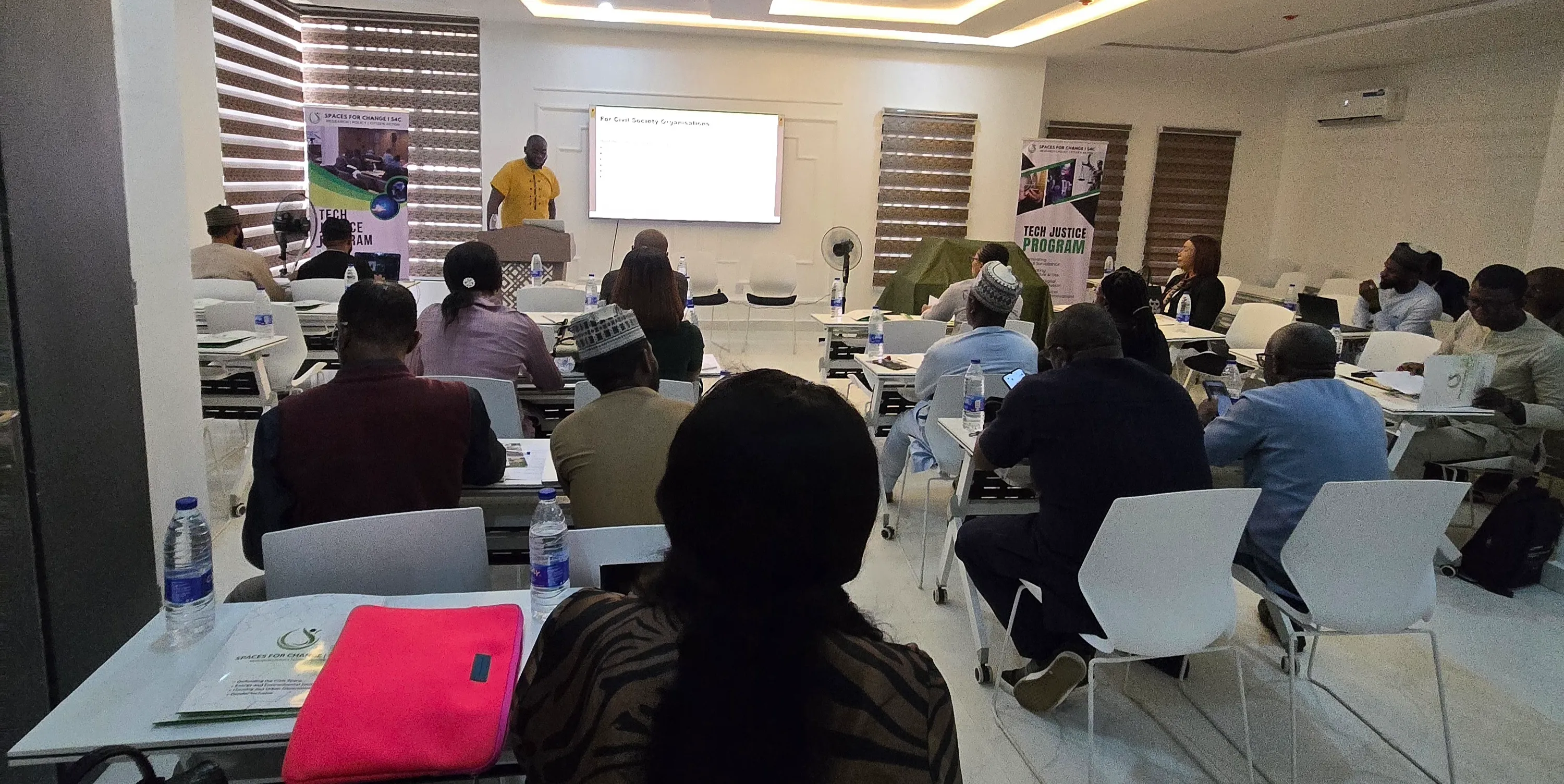
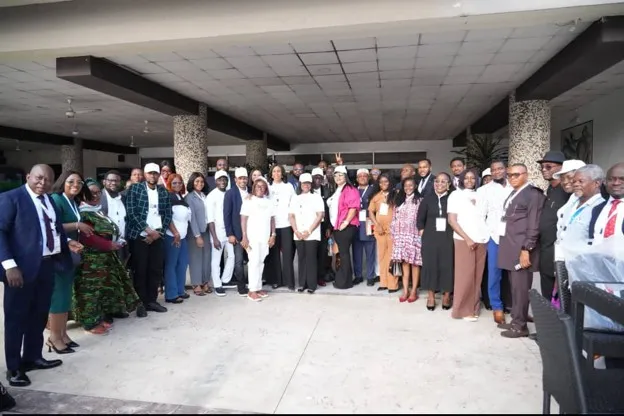
 Consistent with the organization’s tradition of observing a weeklong break every first week in August, the entire program staff of Spaces for Change | S4C powered down and converged at the annual retreat held far away from Lagos, Nigeria, for the first time. The change of environment created the perfect atmosphere for reflection, learning, and team bonding, allowing staff to reflect on the organization’s progress and envision its future together. During the retreat, staff participated in a variety of sessions focusing on capacity building on Gender and Social Inclusion (GESI), strategic planning, internal policy reviews, and team-bonding, all aimed at strengthening the overall institutional performance.
The training session on GESI, facilitated by an external expert, was particularly revealing. The session explored how gender roles, social norms, and systemic inequalities can influence access to opportunities and resources, particularly for marginalized groups such as women, youth, and persons with disabilities. These target groups form the core of the constituencies the organization serves. The interactive discussions and case studies shed light on the ways of identifying and addressing hidden gender barriers in program design and implementation. Staff learned about the various way of integrating gender principles and social inclusion across all aspects of the organization’s work. The training also emphasized the importance of applying a GESI lens in everyday organizational processes, from high-level events to community engagement, ensuring fairness, equity, and inclusivity in both internal and external practices.
Alongside the training, the retreat provided space for updating the organization’s strategic plan. The staff consultations during the retreat formed part of a broader information-gathering strategy for charting the organization’s direction for the next five years, carefully aligning new priorities with the overall vision and mission. This exercise not only clarified long-term objectives but also gave each staff member a clearer sense of how their role contributes to the bigger picture. Furthermore, the retreat afforded time for critical internal reflection. Policies such as the AI Policy, Safeguarding Policy and other institutional guidelines were extensively discussed with a view towards updating them to reflect current realities. Beyond policy, staff also engaged in a candid assessment of the organization’s programs, processes, and practices, creating space for honest reflection and feedback on how to improve efficiency, strengthen systems, and maximize impact.
Despite the focus on work and productivity, the retreat also offered an opportunity to unwind and strengthen interpersonal relationships. Staff participated in fun and relaxing activities including sip and paint, football, and a team color presentation night, all of which fostered creativity, collaboration, and team spirit. These moments of connection and laughter fostered stronger bonds and renewed energy for the work ahead.