 For too long, the responsibility to make communities safer has been widely perceived as a duty reserved for law enforcement and security agencies. Are communities playing any role in making their abodes safer or relying on law enforcement alone? What are communities doing to improve their own safety and take ownership of their immediate environment? Are those localized efforts effective? What can be done to strengthen and make them more resilient?
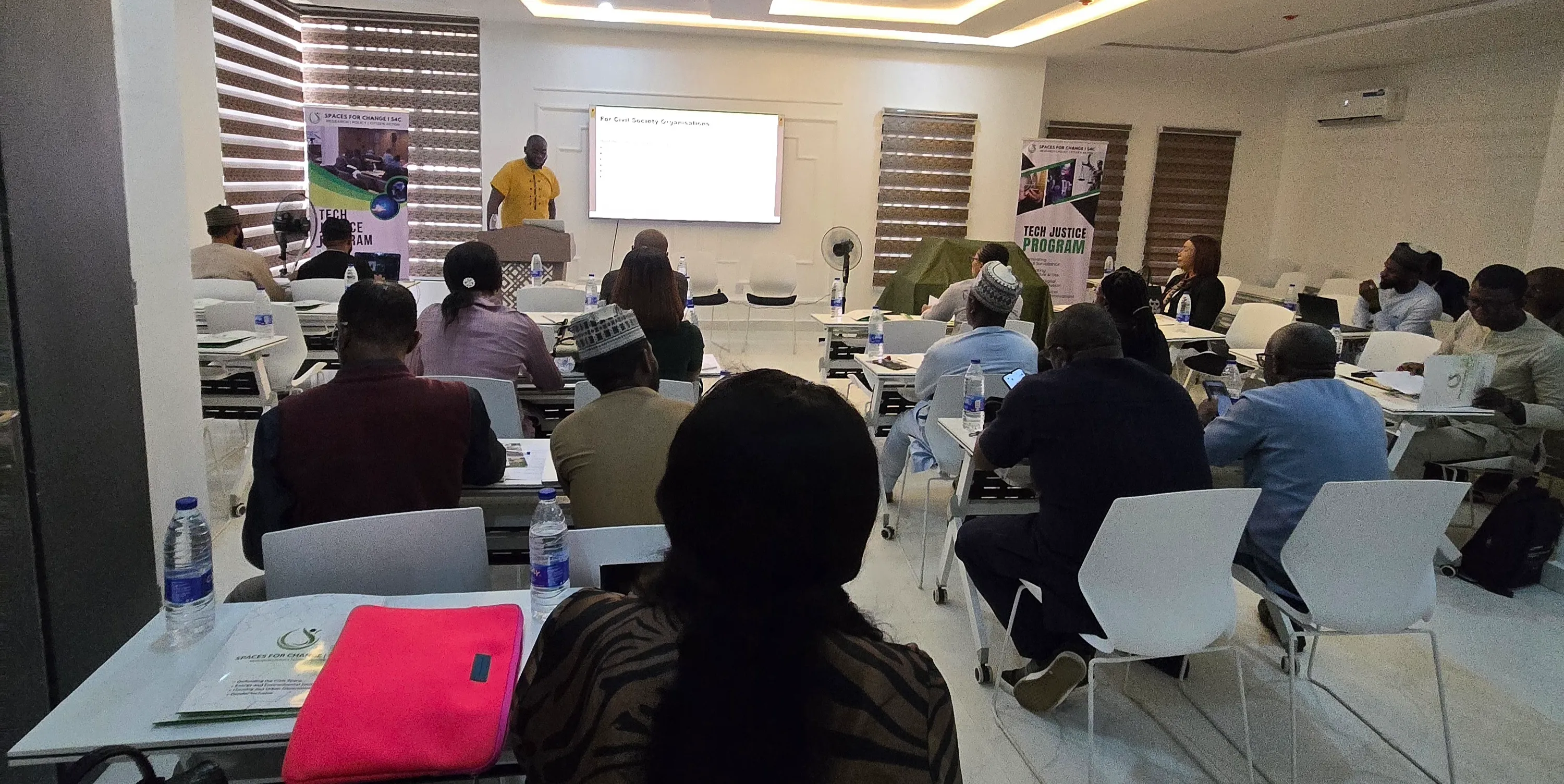
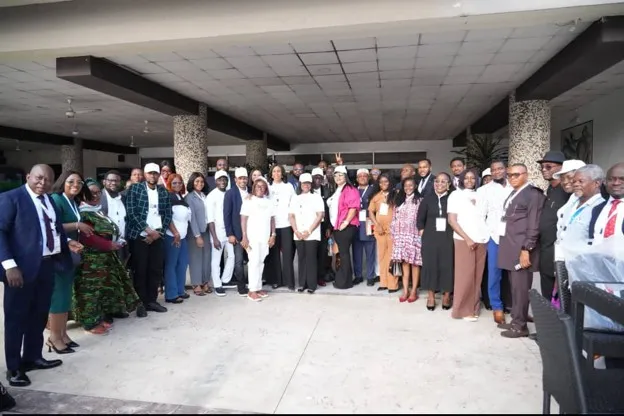
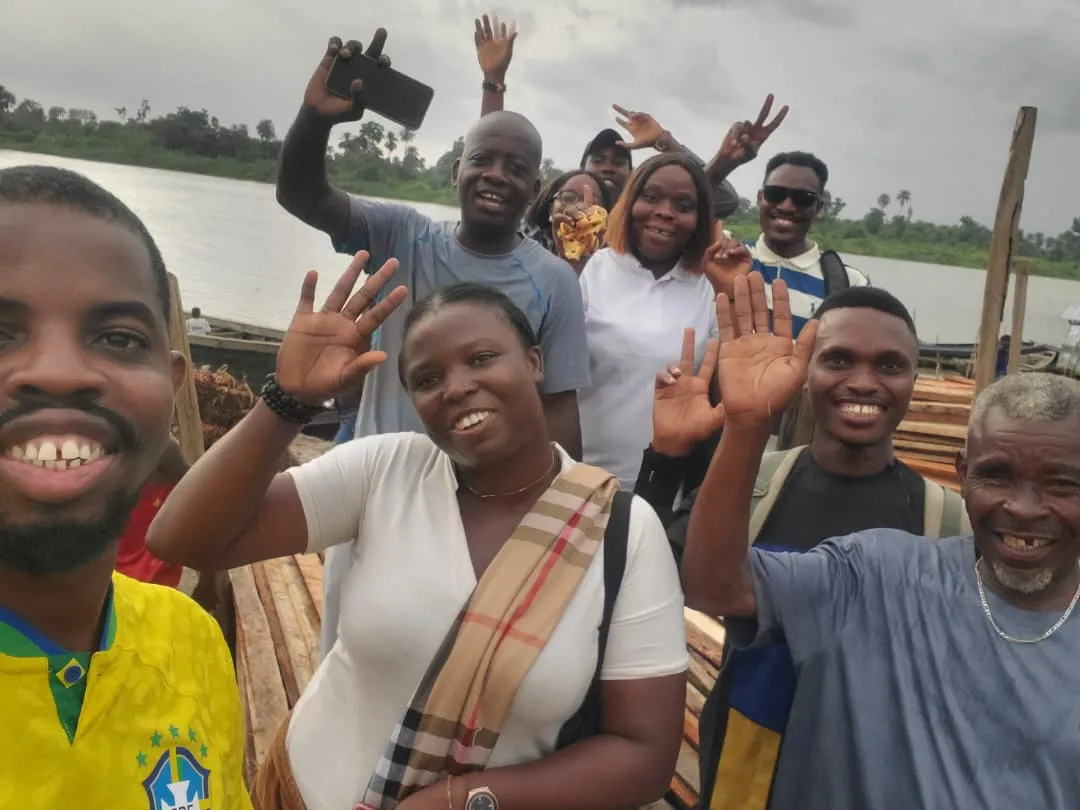
These research questions undergirded Spaces for Change’s | S4C’s survey research in Bayelsa State which commenced on April 19 through 24, 2026, carried out under the People-centered Public Safety (PCPS) project supported by Open Society Foundations. Through a combination of literature reviews, household surveys, key informant interviews and focus group discussions held across three local government areas in Bayelsa, the research aims to gauge safety levels in local communities, gather insights on local crime trends, community perceptions of public safety and law enforcement and document local coping mechanisms, including recommendations for violence prevention, disaster preparedness and trust-building.
Field observations during the week-long survey reveal how the social and economic peculiarities of different communities shape their responses to safety threats. While some communities have strong systems that support safety initiatives—such as effective early-warning signals, seamless cooperation with formal security agencies, inclusive local governance practices— insecurity challenges are severe in some others, with visible signs of exhaustion hanging heavily on the shoulders of youth and volunteer vigilante leaders. Not only that, the lack of equipment, incentives, training, and cooperation with formal security agencies, further make localized efforts ineffective.
Another observation is how deep mistrust characterizes and strains the relations between local communities and the government. This mistrust stems from the general feeling of governmental neglect or lack of government presence in their communities. For instance, despite being oil-rich communities, some areas visited lacked network reception, electricity, piped water, and other basic amenities. This also means that crime reporting and information sharing between locals and formal security agencies are limited due to the absence of key technological communication infrastructure. Amid the lamentations and the apparent despair, locals shared how they strategize and improvise when faced with security challenges using modernized ‘town criers’, village gongs, local vigilantes and market unions to support their fragile economies while fostering a more secure community.
After years of being at the receiving end of failed promises, the PCPS research will deploy storytelling to increase the voice and visibility of local people, and amplify localized initiatives that move beyond traditional policing. Through this project, Spaces for Change and PCPS partners are building the evidence and data-driven tool for communities to advocate for infrastructure improvements, crime reduction, and building long-term resilience against natural and human-made threats in Bayelsa State.