State and non-state actors procure technologies with surveillance capabilities for a range of uses, including combating insecurity, terrorism, kidnapping, natural resource exploration, wildlife monitoring, border patrolling, law enforcement, rescue operations, emergency management, crime detection, social media monitoring, biometric systems, and more. The evidence in this report demonstrates that the proliferation and rising use of surveillance technologies, including those with dual-use purposes, have created significant risks for civic actors such as journalists, activists, human rights defenders, critics, protesters, and citizens. Weak regulatory systems and broad legal loopholes have enabled widespread misuse, and these technologies are often deployed without transparency, oversight, or safeguards.
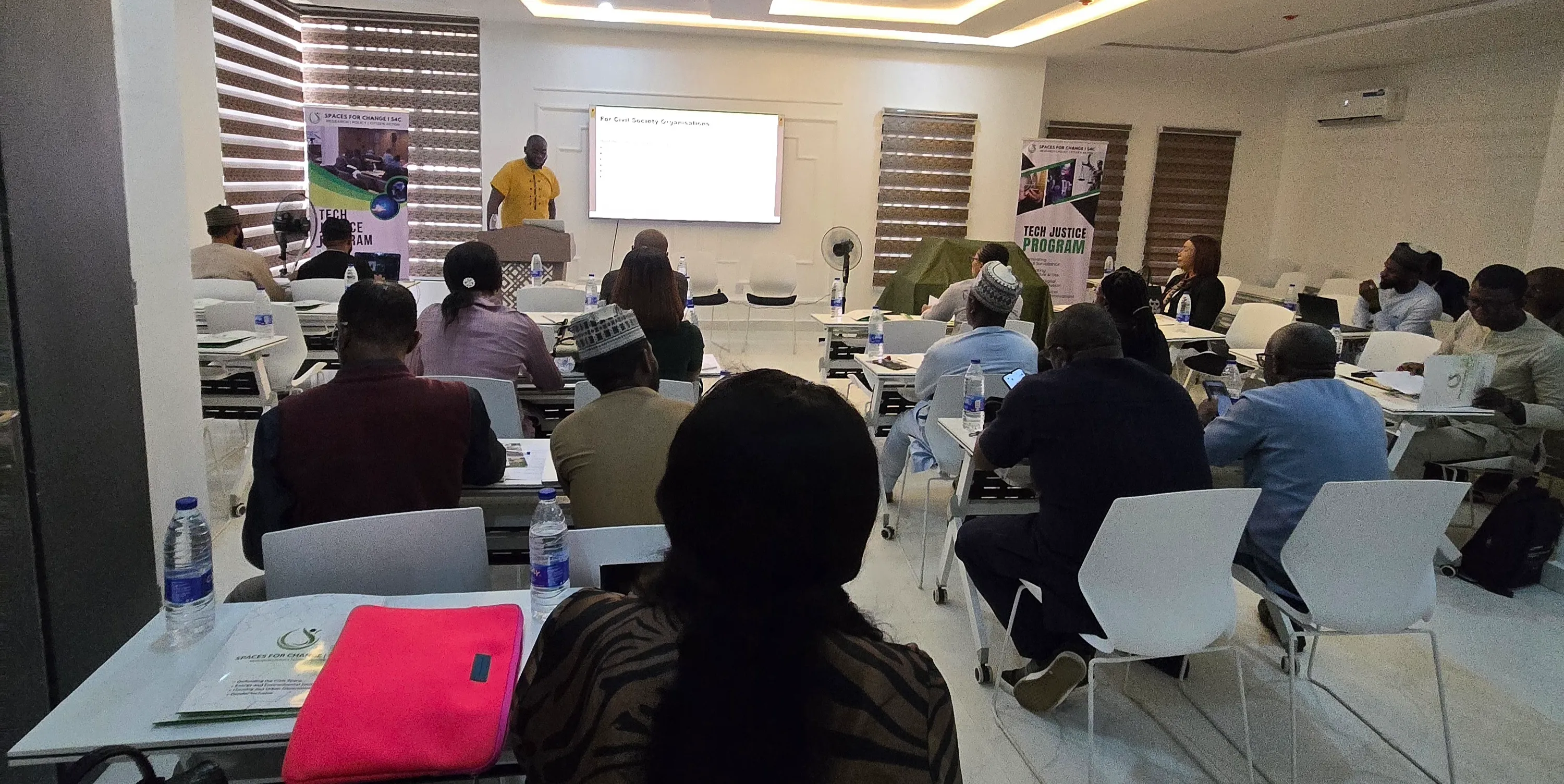
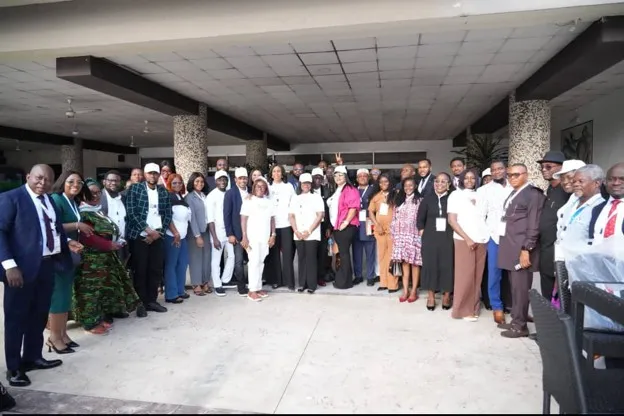
Spaces for Change | S4C convenes the SpyStop Laboratory [SSL] to support individuals who have experienced or are vulnerable to illegal surveillance by both state and non-state agents. Two SSL editions, held in August and December 2025, brought together victims comprising journalists, content creators, lawyers, digital security practitioners, and other citizens to share their experiences, get legal and psychosocial support, and strengthen their defensive capacity. Findings from the SSL underscore three critical insights:
- Nigeria’s surveillance practices are systemic, facilitated by permissive laws, weak oversight, expansive procurement, and a security-first political culture.
- Dual-use technologies are being diverted for political, commercial, and personal purposes, enabling unauthorized spying on civic actors, political opposition, protest organizers, and private citizens.
- Victims lack accessible support, including legal remedies, psychosocial assistance, forensic verification, and safe reporting channels.
This report synthesizes the experiences shared at the SpyStop Lab and situates them within Nigeria’s broader surveillance ecosystem. It outlines existing gaps, assesses the threat landscape, and proposes a framework for building effective victim-centered support systems and advancing rights-respecting policy reform.