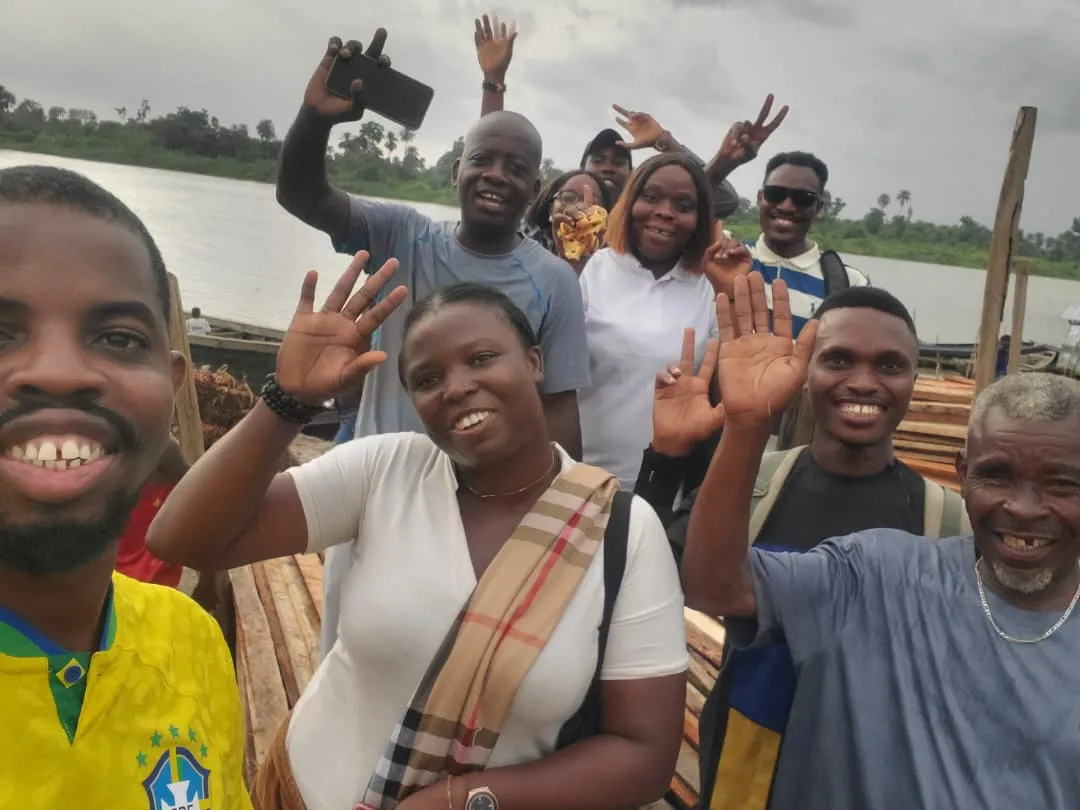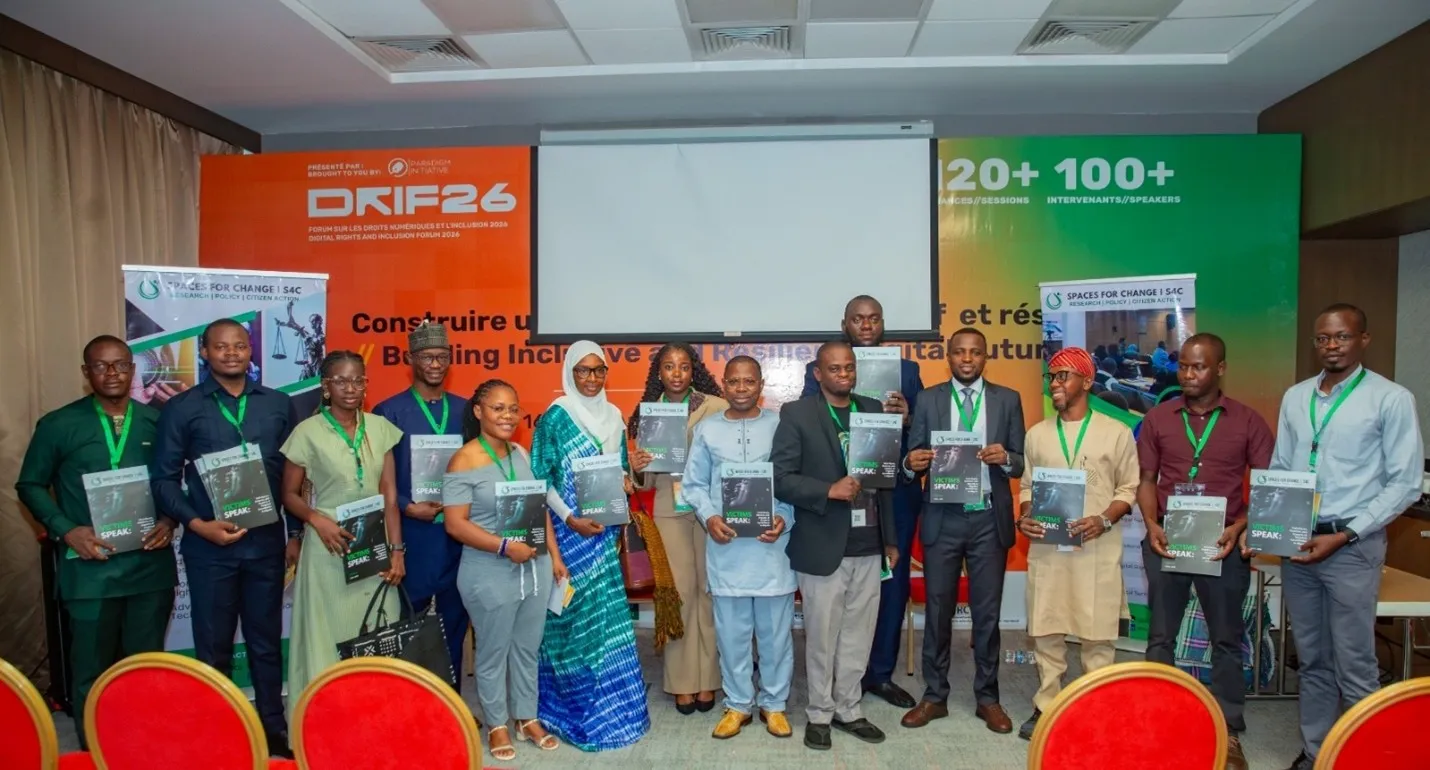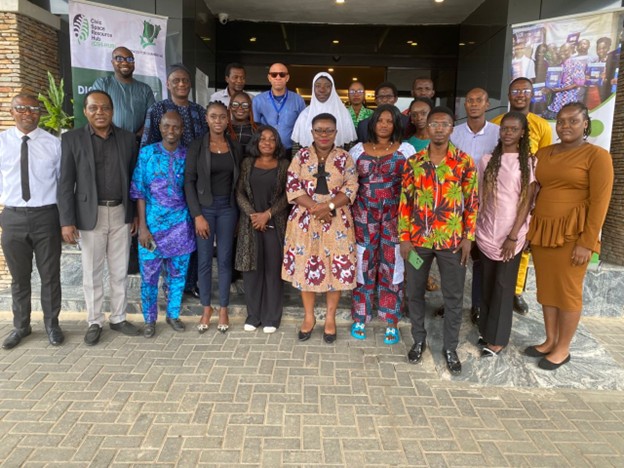
On June 18–19, 2025, Spaces for Change | S4C extended its flagship Digital Security Clinic (DSC) to 23 civil society and media organizations in Southwest Nigeria. Delivered under the auspices of the Civic Space Resource (CSR) Hub, supported by the Ford Foundation, the two-day Clinic brought together civic actors across all states in the Southwest region of Nigeria, to delve deeply into the world of emerging technologies, exploring their potential applications, benefits, and implications for the civic space in Nigeria and West Africa at large. In an era where civil society and media organisations are increasingly dependent on digital tools to amplify voices, expose injustice, and hold power to account, this growing dependence comes an urgent need to understand the technological terrain—its promises, its pitfalls, and how to stay safe within it.
At the start of the Clinic, participants learned about the mission of safeguarding Nigeria’s civic space, especially through the CSR Hub and the Closing Spaces Database—a digital portal for tracking civic space violations across the country and the West African region. Across these two immersive days, participants explored the legal and technical dimensions of digital rights, learning how to protect their data, uphold ethical journalism, and ensure compliance with the extant laws like the Nigerian Data Protection Act (NDPA) 2023. Based on the reactions gathered from the participants, these were not just abstract concepts, they are key information relevant for journalists, human rights defenders, and civic actors operating in an increasingly monitored and repressive digital space.
Discussions moved into the shadowy world of spyware and surveillance, unpacking how governments and private actors deploy advanced technologies to monitor dissent. From understanding the drivers of digital repression to identifying the available safeguards, the sessions painted a sobering yet empowering picture of the terrain ahead. Whistleblowing protocols, case law, and rights under both national and international frameworks were dissected. Investigative journalists learned how to ethically navigate digital platforms without compromising sources or enabling the spread of misinformation. For many, these insights were eye-opening, grounding their advocacy in both rights-based knowledge and strategic caution.
The Clinic also addressed the gendered dimensions of digital harm, highlighting the unique challenges female media practitioners face, ranging from online harassment to institutional bias. Formal and informal protection mechanisms were explored, reaffirming the need for inclusive safety strategies in digital advocacy. Finally, the power of strategic communication took center stage. Participants were equipped with digital tools for effective storytelling, campaign creation, and secure online collaboration. From safe browsers to content generation apps, the message was clear: digital literacy is now a prerequisite for impact.
What emerged from this Clinic was more than just knowledge; it was a shift in mindset. It was a recognition that digital security is not a technical afterthought; it is the frontline of civic engagement in the 21st century. As noted by one of the participants, “the DSC was not just a training – it was an awakening”, adding that “the clinic has armed (us) with the knowledge and skills to navigate digital spaces more safely, more smartly, and more strategically”.