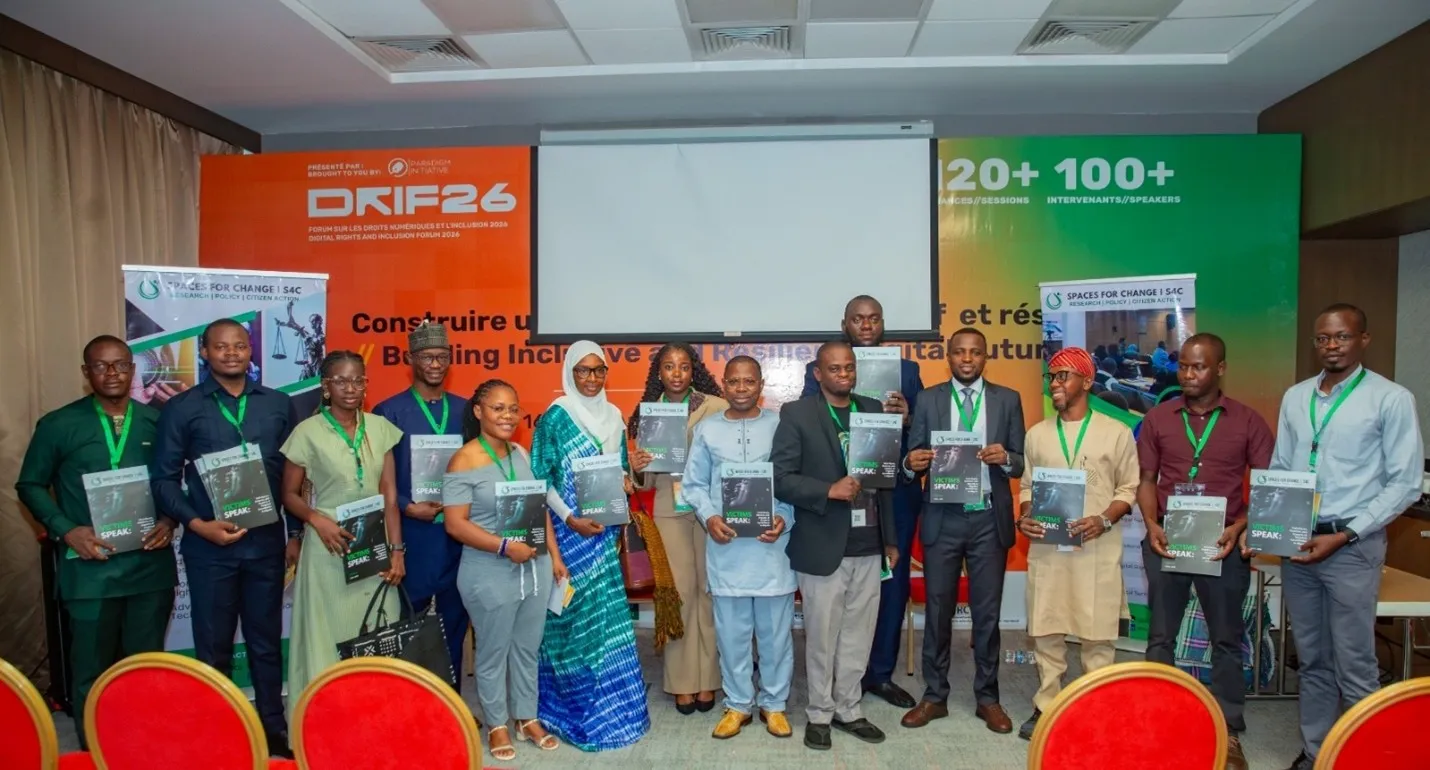
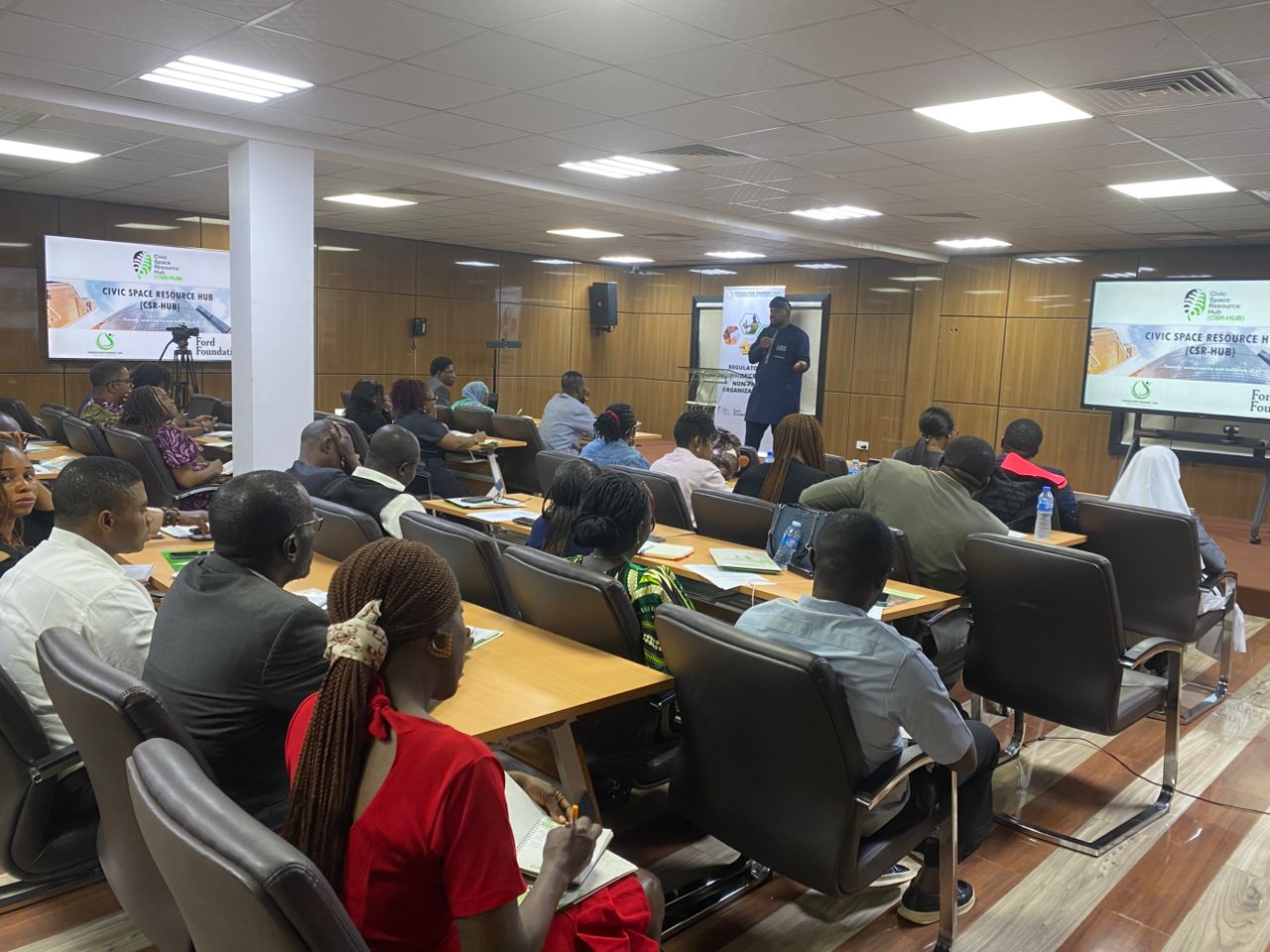
 Forty-five (45) executive directors and finance leads of local and international non-governmental organisations (NGOs,) social enterprises, and faith-based organizations participated in the Tax Compliance Clinic organised by Spaces for Change | S4C in Abuja, FCT, Nigeria, under the auspices of the Civic Space Resource Hub (CSR-Hub). Nigeria recently signed four tax bills into law which are set to overhaul and harmonize tax administration in the country. The Clinic, held on July 29, provided a platform for nonprofit executives to deepen their understanding of the new tax regimes and unpack its implications for charitable entities.
The new laws are expected to take effect in January 2026. Spaces for Change’s analysis of the new tax laws revealed certain innovations that will impact on non-profits, especially through the introduction of additional layers of mandatory disclosure and compliance requirements. Through expert-led discussions and peer learning, participants at the one-day clinic gained deep insights into the new legal provisions of the tax laws and the different approaches they could adopt to enhance transparency, accountability and compliance with the law.
It wasn’t just a clinic to learn about provisions of the new tax laws, but also an arena to discuss other areas of concern or tax challenges that non-profits are facing, including areas of policy uncertainty. One such area of concern is the confusion around the meaning of “donor funded humanitarian projects.” Other areas of concern include the personal income tax burden for expatriate charitable workers, mandatory tax registration requirements, computation and filing of annual returns for NPO staff, tax appeal procedures, etc. In order to strengthen the effectiveness of tax administration, the tax reform laws have introduced a tax ombud to address tax complaints and disputes from the public. This was followed by a robust discussion around how non-profits can leverage this mechanism to strengthen tax transparency.
Participants shared their experiences regarding how they have navigated tough hurdles with tax authorities and other best practices for proper budgeting and accounting. These discussions delved deeper into organizational protocols for proper documentation, budget tracking and accounts segregation for clear tax documentation. Experts provided detailed guidance on how NPOs can minimize their tax burdens, allowing for more disposable funds for charitable causes.
Audit planning was another high point of the clinic. Participants were encouraged to review their internal financial controls and ensure that book-keeping practices reflect the charitable nature of the organization. To this end, financial officers learnt about common audit pitfalls as well as certain important documents every transparent organization should maintain. The highpoint of the Clinic is the session focusing on tax filings for different taxes applicable to NPOs such as value added tax (VAT), personal income tax (PAYE), and withholding tax (WHT). Experts walked participants through the key innovations that will affect non-profit operations when the new tax laws take effect in 2026.
Key recommendations from the clinic include the need for improved tax incentives to boost domestic philanthropy; policy clarity on areas of concern; and the simplification of tax filling processes as means of encouraging voluntary compliance. Going forward, NPOs identified various windows of opportunity for further advocacy push towards addressing areas of concern so that they do not hinder the legitimate activities of non-profit organizations. The Tax Compliance Clinic was hosted with the support of Ford Foundation under the Civic Space Resource Hub.