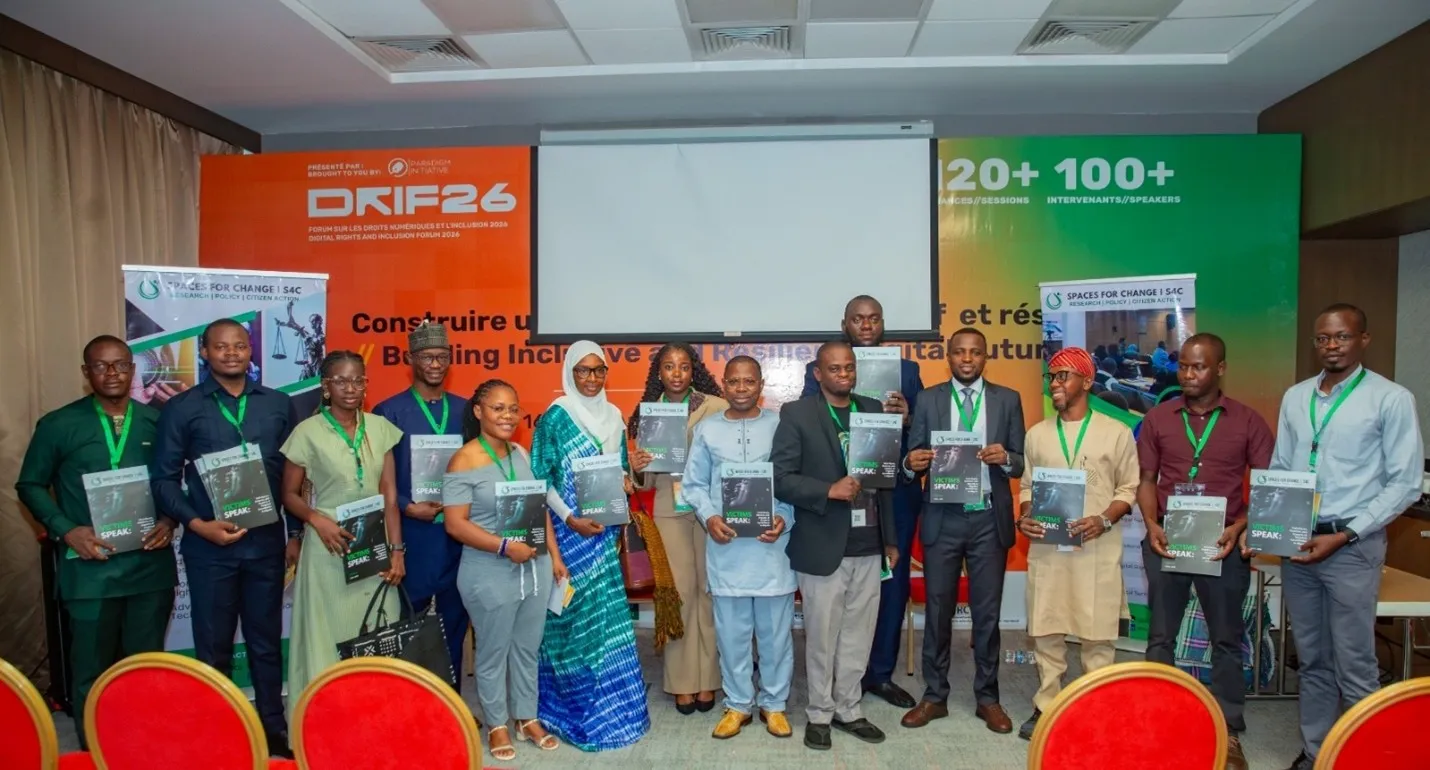
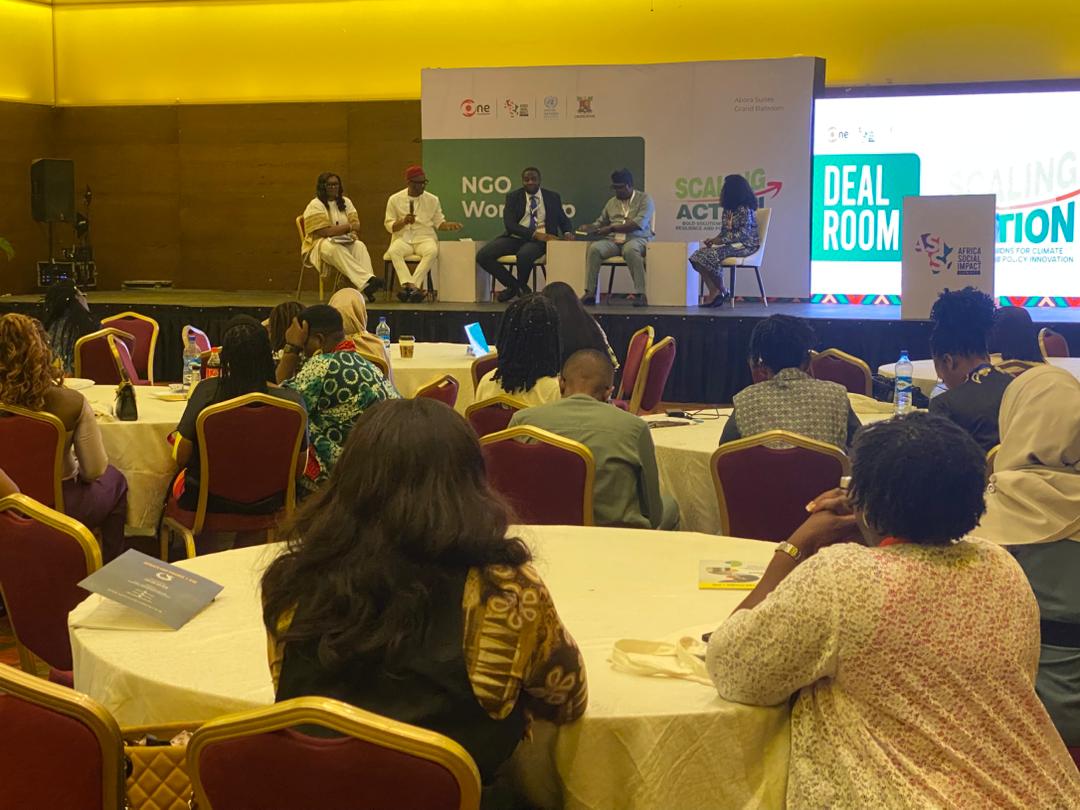
 ‘How are African researchers, changemakers and non-governmental organizations (NGOs) leveraging indigenous knowledge systems to drive development efforts in African communities?’ This was the crux of the conversation at the NGO Workshop facilitated by Spaces for Change | S4C at the Africa Social Impact Summit (ASIS) organized by the Sterling One Foundation and the United Nations in Nigeria. The NGO Workshop, held on July 10, was one of the parallel sessions at the ASIS2025, uniting a broad spectrum of civil society organizations, policymakers, academics, development researchers, and the media to discuss the role of indigenous knowledge systems in Africa’s sustainable development efforts.
African indigenous knowledge systems refer to the unique cultures, practices, and locally-developed knowledge that are natural to African societies and relevant to the needs, context and priorities of the continent. Against this backdrop, the lead discussants explored the diverse contributions of African initiatives, including skit-making, herbal production, crafts, arts, and culture, to the continent’s knowledge economy. Many African communities possess knowledge and solutions to modern social and economic problems. Because local knowledge and solutions are often undocumented, they are officially unrecognized or even demonised, underscoring the importance of documenting community-driven initiatives across Africa to secure a formal validation.
Despite the low recognition and acknowledgement, there are notable success stories of how indigenous knowledge production is spurring climate policy development in Nigeria. A classic example is the climate resilience policy draft developed by S4C in partnership with the Imo State Government, substantially shaped by direct input from local communities. This illustrates how locally-produced knowledge informs policy and fosters sustainable, community-driven development. One of the lead discussants who is also a lawmaker from Imo State, emphasized the importance of localizing regulatory frameworks to capture contexts and contents that resonate with the people it is meant to serve. This success story provides a template for policymakers interested in adopting indigenous knowledge production as a tool for making informed policy decisions.
What roles should educational institutions play in inter-generational knowledge transfer? And how can they help to preserve indigenous knowledge? African educational institutions can play a vital role in preserving the indigenous knowledge systems. As technological advancements reshape educational curriculum across societies, African educational institutions must ensure that pre-existing indigenous knowledge systems are not totally sidelined or displaced. Skit-making is one area providing a powerful lever for telling African stories and comedy, allowing communities to own and shape their narratives. Skit-making has been widely used to document the culture and lived experiences of African communities. This has been vital in enhancing the African knowledge systems and shaping local narratives. It is the role of educational institutions to identify these new forms of knowledge, skills and competencies relevant to our local contexts, and incorporate them into the formal learning curricula.
The NGO Workshop highlighted factors stalling the progress of and utilization of African indigenous knowledge. This includes lack of funding for local research, limited capacity of local research organizations to conduct high-quality studies, poor data collection and interpretation processes, lack of strategic partnerships, low trust in locally generated data, and limited platforms for publishing and sharing credible research findings. “We need to build the capacity of research organizations for high-quality research at the local level,” said one panelist. Conversations therefore examined how to enhance African NGOs’ skills in curating local data, interpreting findings, and developing solutions tailored to their immediate environment. It is also imperative to end the demonization of indigenous knowledge systems in Nigeria, and, by extension, the African continent.
Against the backdrop of the shrinking funding space for African NGOs, there is a need to strengthen the capacity of African NGOs to develop strong proposals that are capable of securing funding support for their work across the continent. The desire to solve community problems must be balanced with the need equip local NGOs with the necessary capacity and resources. The NGO Workshop was supported by the Ford Foundation under the auspices of the Civic Space Resource Hub (CSR-Hub).